Designing Resilient Infrastructure with Welded Gabion Elements
Release Time:
Apr 18,2024
H1: Introduction to Welded Gabion Elements Welded gabion elements are a versatile and durable construction material that has been gaining popularity in recent years for their ability to enhance the resilience of various infrastructure projects. These wire mesh containers filled with stones or other materials offer a wide range of benefits, including strength, flexibility, and sustainability. In th

H1: Introduction to Welded Gabion Elements
Welded gabion elements are a versatile and durable construction material that has been gaining popularity in recent years for their ability to enhance the resilience of various infrastructure projects. These wire mesh containers filled with stones or other materials offer a wide range of benefits, including strength, flexibility, and sustainability. In this article, we will delve into the design principles and applications of welded gabion elements in creating resilient infrastructure.
H2: Benefits of Welded Gabion Elements
One of the key advantages of using welded gabion elements in construction is their durability. These wire mesh containers are designed to withstand harsh weather conditions and heavy loads, making them ideal for a wide range of infrastructure projects. Additionally, welded gabion elements are highly flexible and can be easily shaped to fit the contours of the landscape, making them a versatile choice for architects and engineers.
H3: Design Considerations for Welded Gabion Elements
When incorporating welded gabion elements into a construction project, there are several key design considerations to keep in mind. These include the size and shape of the gabion elements, the type of materials used to fill them, and the overall aesthetic impact on the surrounding environment. By carefully considering these factors, designers can ensure that welded gabion elements enhance the resilience and durability of the infrastructure.
H4: Applications of Welded Gabion Elements
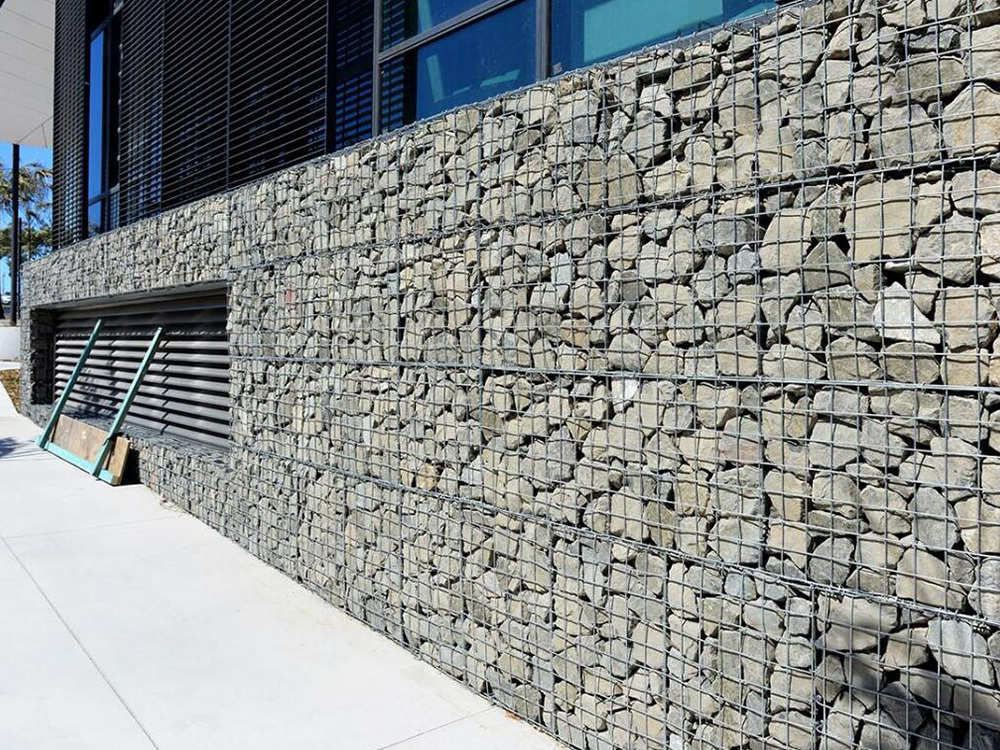
Welded gabion elements can be used in a wide range of construction projects, including retaining walls, erosion control structures, and landscaping features. Their versatility and flexibility make them a popular choice for architects and engineers looking to create sustainable and resilient infrastructure solutions. By exploring the various applications of welded gabion elements, designers can unlock new possibilities for enhancing the durability and longevity of their projects.
FAQs:
Q1: What are welded gabion elements made of?
A1: Welded gabion elements are typically made of galvanized steel wire mesh that is welded together to form a sturdy container.
Q2: How are welded gabion elements filled?
A2: Welded gabion elements can be filled with stones, gravel, or other materials to provide stability and strength to a construction project.
Q3: Are welded gabion elements environmentally friendly?
A3: Yes, welded gabion elements are considered environmentally friendly as they can be filled with natural materials and are easily recyclable.
Q4: What are the key design considerations for using welded gabion elements?
A4: Designers should consider factors such as the size, shape, and material of the gabion elements, as well as their aesthetic impact on the surrounding environment.
Q5: What are the main advantages of using welded gabion elements in construction?
A5: Welded gabion elements offer benefits such as durability, flexibility, and sustainability, making them an attractive choice for resilient infrastructure projects.
Conclusion:
In conclusion, welded gabion elements offer a unique and innovative solution for designing resilient infrastructure. Their durability, flexibility, and sustainability make them an ideal choice for architects and engineers looking to enhance the longevity and durability of their construction projects. By incorporating welded gabion elements into their designs, designers can create infrastructure solutions that are not only resilient but also aesthetically pleasing and environmentally friendly.
Keywords:
More information




Wechat and Mobile: