


The Evolution of Airport Fencing: From Basic to High-Tech Solutions
Release Time:
Jan 23,2025
The Evolution of Airport Fencing: From Basic to High-Tech Solutions Table of Contents 1. Introduction to Airport Fencing 2. The Importance of Security in Airports 3. Historical Overview of Airport Fencing 4. Basic Airport Fencing Solutions 5. High-Tech Airport Fencing Solutions 6. Materials Used in Fencing 7. Technological Advancements in Airport Fencing 8. Case St

The Evolution of Airport Fencing: From Basic to High-Tech Solutions
Table of Contents
- 1. Introduction to Airport Fencing
- 2. The Importance of Security in Airports
- 3. Historical Overview of Airport Fencing
- 4. Basic Airport Fencing Solutions
- 5. High-Tech Airport Fencing Solutions
- 6. Materials Used in Fencing
- 7. Technological Advancements in Airport Fencing
- 8. Case Studies: Successful Implementations
- 9. Future Trends in Airport Fencing
- 10. Frequently Asked Questions
- 11. Conclusion
1. Introduction to Airport Fencing
Airport fencing serves as the first line of defense against unauthorized access to sensitive areas. The evolution of these barriers reflects advancements in technology, growing security concerns, and the need for efficient airport operations. Over the years, fencing has transitioned from basic physical barriers to complex, integrated systems that utilize cutting-edge technology.
2. The Importance of Security in Airports
The **importance of security in airports** cannot be overstated. With millions of passengers traveling through airports every year, safeguarding these facilities is paramount. Effective airport fencing plays a crucial role in preventing unauthorized access and protecting passengers, staff, and assets.
2.1 The Role of Airport Security
Airport security encompasses various measures, including surveillance, access control, and physical barriers. Fencing is a critical component, as it not only deters potential intruders but also delineates secure areas from public access zones.
2.2 Regulatory Requirements
Regulatory bodies such as the **Transportation Security Administration (TSA)** and the **International Civil Aviation Organization (ICAO)** mandate stringent security protocols. Compliance with these regulations necessitates robust fencing solutions to ensure the safety and security of airport operations.
3. Historical Overview of Airport Fencing
The history of airport fencing can be traced back to the early 20th century, when aviation was in its infancy. Initially, airports utilized simple barriers made of wood or metal, designed primarily to keep livestock and pedestrians away from runways.
3.1 Early Developments
In the mid-1900s, as aviation grew, the need for more sophisticated fencing solutions became evident. Traditional wire fencing began to emerge, offering a greater level of security while remaining cost-effective.
3.2 The Rise of Security Concerns
The events of September 11, 2001, marked a turning point for airport security. In response, airports worldwide began to reassess their fencing and overall security measures, leading to the development of more advanced systems.
4. Basic Airport Fencing Solutions
Basic airport fencing solutions typically include chain-link fences, barbed wire, and concrete walls. While these options provide a certain level of security, they often lack the technological enhancements necessary to address modern threats.
4.1 Chain-Link Fences
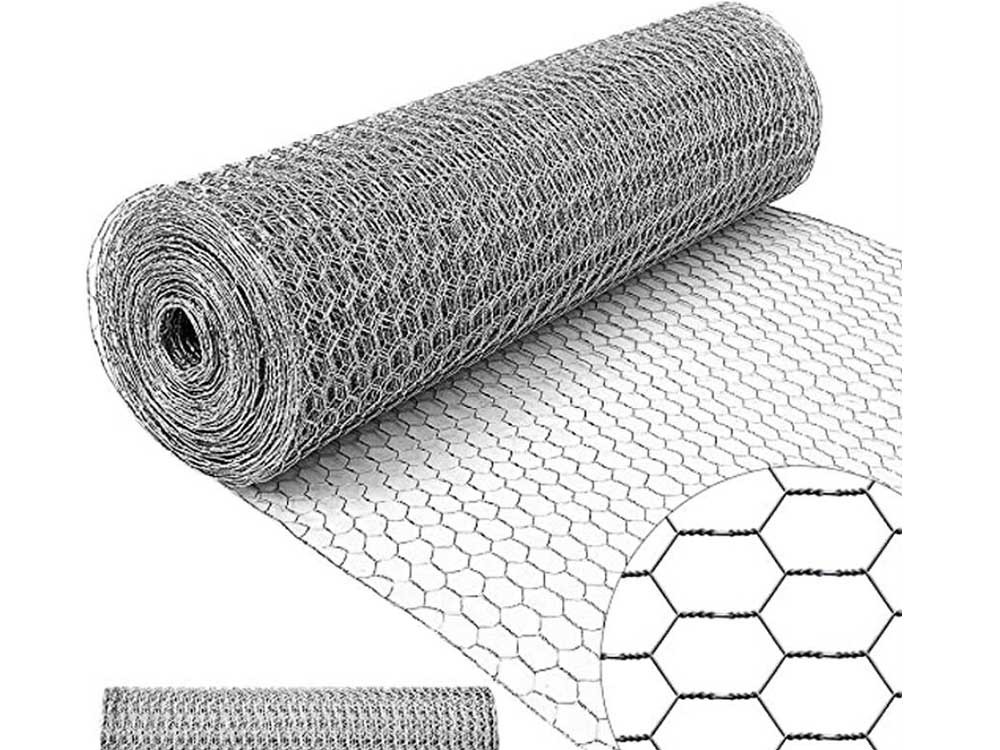
Chain-link fences are among the most common types of airport fencing. They are cost-effective, easy to install, and provide a visual barrier. However, their limited height and strength make them vulnerable to breach.
4.2 Barbed Wire
Adding barbed wire to existing fences increases security by creating an additional deterrent. However, this solution is often criticized for aesthetic reasons and may not be effective against determined intruders.
4.3 Concrete Barriers
Concrete walls offer a robust physical barrier but lack visibility. This can create blind spots, making it difficult for security personnel to monitor potential threats effectively.
5. High-Tech Airport Fencing Solutions
The evolution of airport fencing has led to the emergence of high-tech solutions that integrate sophisticated technologies for enhanced security.
5.1 Electric Fencing
Electric fencing delivers a powerful shock to intruders, acting as a strong deterrent. This system can be monitored and controlled remotely, allowing security personnel to respond quickly to breaches.
5.2 Video Surveillance Integration
Integrating video surveillance with fencing systems enhances security by providing real-time monitoring. Advanced analytics can alert security staff to unusual activities, enabling timely intervention.
5.3 Motion Detection Systems
Motion detection systems utilize infrared sensors and cameras to identify movement near secure areas. These systems can trigger alarms and alert personnel, enhancing response times to potential threats.
5.4 RFID Technology
Radio Frequency Identification (RFID) technology is revolutionizing access control at airports. RFID-enabled fences can identify and authenticate authorized personnel, ensuring that only those with the proper credentials can enter secure areas.
6. Materials Used in Fencing
The choice of materials in airport fencing is critical for durability, security, and maintenance.
6.1 Steel Fencing
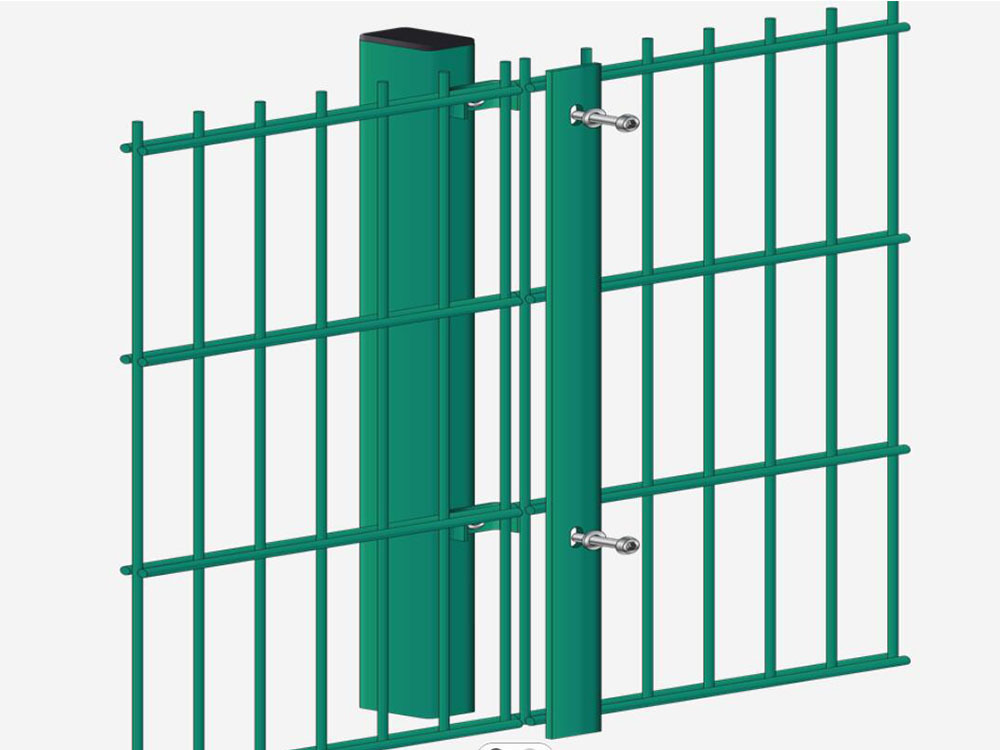
Steel fencing is favored for its strength and resistance to tampering. It provides a formidable barrier while allowing visibility, which is crucial for monitoring.
6.2 Composite Materials
Composite materials are gaining popularity due to their lightweight properties and resistance to corrosion. These materials can be designed to fit various aesthetic requirements while maintaining security.
6.3 Specialty Coatings
Specialty coatings on fencing materials enhance durability and resistance to environmental factors. These coatings can help prevent rust and deterioration, thereby reducing maintenance costs.
7. Technological Advancements in Airport Fencing
The integration of technology into airport fencing has transformed its capabilities.
7.1 Smart Fencing Solutions
Smart fencing incorporates IoT technology, allowing for real-time data collection and analysis. This innovation enables proactive security measures, as potential threats can be detected before they escalate.
7.2 Drone Surveillance
Drones are increasingly used for aerial surveillance of airport perimeters. Equipped with cameras and sensors, drones provide a comprehensive view of airport security, enhancing monitoring capabilities.
7.3 Biometric Access Control
Biometric access control systems use fingerprint or facial recognition technology, ensuring that only authorized individuals can access secure areas. This level of security is becoming increasingly essential in modern airport operations.
8. Case Studies: Successful Implementations
Several airports have successfully implemented advanced fencing solutions, showcasing the effectiveness of these innovations.
8.1 International Airport Security Systems
An international airport in Europe adopted a comprehensive security system that combined electric fencing, advanced surveillance, and motion detection. This system significantly reduced unauthorized access incidents and improved overall safety.
8.2 Airport in Asia: A High-Tech Upgrade
An airport in Asia underwent a significant upgrade, replacing outdated fencing with smart fencing solutions. The integration of IoT technology enabled real-time monitoring, which led to a noticeable decrease in security breaches.
9. Future Trends in Airport Fencing
The future of airport fencing is likely to be shaped by ongoing technological advancements and evolving security challenges.
9.1 Increased Automation
The trend towards increased automation will likely continue, with more fencing systems incorporating AI and machine learning for enhanced monitoring and response capabilities.
9.2 Sustainable Materials
As sustainability becomes a priority in construction, future airport fencing solutions may utilize eco-friendly materials that do not compromise on security.
9.3 Integration with Smart City Technologies
The integration of airport fencing with broader smart city initiatives can lead to enhanced safety and efficiency. This includes collaboration with local law enforcement and emergency response teams.
10. Frequently Asked Questions
10.1 What types of materials are commonly used for airport fencing?
Common materials include steel, composite materials, and specialty coatings designed to enhance durability and resistance to environmental factors.
10.2 How do high-tech airport fencing systems improve security?
High-tech systems utilize technologies such as electric fencing, video surveillance integration, and motion detection to provide real-time monitoring and rapid response capabilities.
10.3 What regulations govern airport fencing?
Regulations set forth by organizations like the TSA and ICAO establish security standards that airports must comply with, including fencing requirements.
10.4 Can airport fencing systems be customized?
Yes, fencing systems can be tailored to meet specific airport needs, including height, materials, and technological features.
10.5 How do airports handle unauthorized access attempts?
Airports employ a combination of surveillance, alarm systems, and security personnel to respond swiftly to unauthorized access attempts.
11. Conclusion
The evolution of airport fencing from basic to high-tech solutions illustrates the growing importance of security in aviation. As airports continue to adapt to new challenges and technologies, the future of airport fencing looks promising, with innovations that enhance safety and efficiency. By investing in advanced fencing solutions, airports not only protect their assets but also ensure the safety of millions of travelers worldwide.
Keywords:
More information





Wechat and Mobile: