

Understanding Livestock Fence Panels: A Key Component for Agricultural Success
Release Time:
Feb 13,2025
Livestock fence panels are critical elements in the agricultural sector, particularly for those who manage and protect livestock. These panels offer a strong, durable solution for containing various types of animals, from cattle and sheep to goats and pigs. Understanding the importance and functionality of these fence panels can significantly enhance your farming operations. Firstly, livestock fen

Livestock fence panels are critical elements in the agricultural sector, particularly for those who manage and protect livestock. These panels offer a strong, durable solution for containing various types of animals, from cattle and sheep to goats and pigs. Understanding the importance and functionality of these fence panels can significantly enhance your farming operations.
Firstly, livestock fence panels are designed to provide security and safety for your animals. They create a physical barrier that prevents livestock from wandering away from designated areas. This is essential not only for the protection of the animals but also for maintaining the integrity of your farming operations. Stray animals can lead to accidents, damage crops, or even result in legal liabilities. Therefore, investing in quality livestock fence panels is a proactive measure to ensure the security of your livestock.
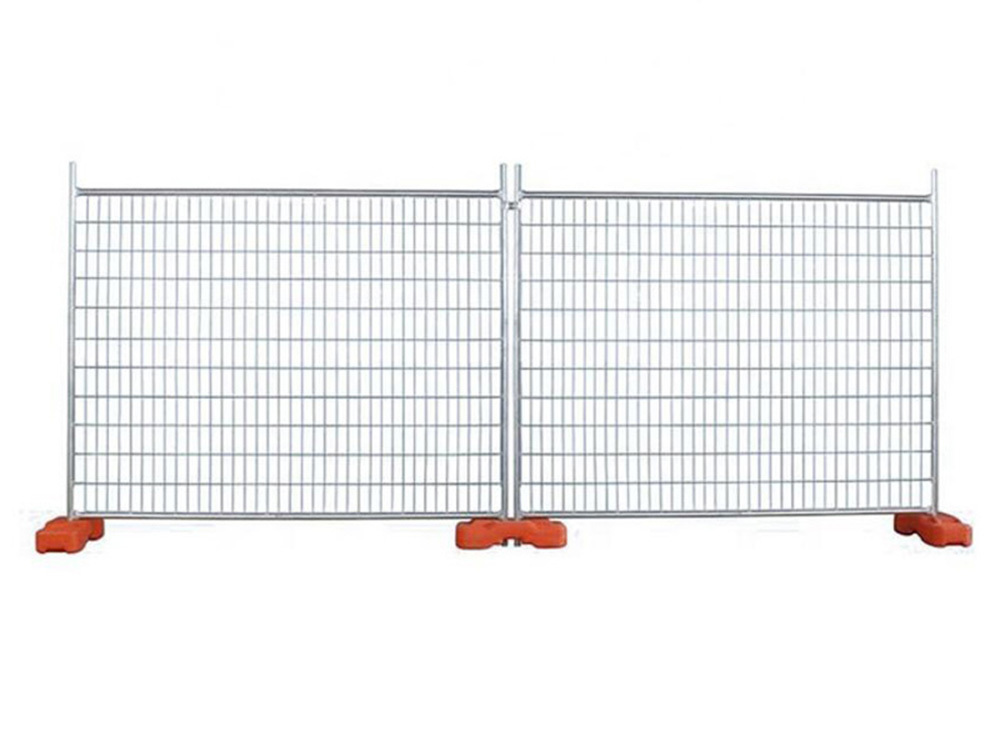
There are several types of livestock fence panels available, each catering to different needs and animal types. Common varieties include welded wire panels, cattle panels, and portable panels. Welded wire panels are known for their strength and durability, making them ideal for larger animals like cattle. Cattle panels are specifically designed with the spacing required to keep these animals securely contained. On the other hand, portable panels offer flexibility and ease of use, allowing farmers to set up temporary enclosures for livestock during pasture rotation or events.
Another significant advantage of livestock fence panels is their durability. When properly maintained, these panels can withstand harsh weather conditions, ensuring long-term use. Many panels are made from materials that are resistant to rust, decay, and UV damage, making them a cost-effective choice for any farming operation. Moreover, their design often incorporates safety features that prevent injuries to the animals, such as rounded edges and non-toxic coatings.
When choosing the right livestock fence panel for your farm, consider the specific needs of your livestock, the terrain of your land, and the intended use of the panels. For instance, if you are managing a diverse range of animals, you may need different types of panels to accommodate various sizes and temperaments. Additionally, assess any local regulations that may influence fencing requirements in your area.
In conclusion, livestock fence panels are fundamental tools in the agricultural landscape. They not only ensure the safety and security of livestock but also contribute to the overall efficiency of farm management. By understanding the different types of panels and their benefits, farmers can make informed decisions that will positively impact their operations, leading to healthier animals and a more productive farming environment.
Firstly, livestock fence panels are designed to provide security and safety for your animals. They create a physical barrier that prevents livestock from wandering away from designated areas. This is essential not only for the protection of the animals but also for maintaining the integrity of your farming operations. Stray animals can lead to accidents, damage crops, or even result in legal liabilities. Therefore, investing in quality livestock fence panels is a proactive measure to ensure the security of your livestock.
There are several types of livestock fence panels available, each catering to different needs and animal types. Common varieties include welded wire panels, cattle panels, and portable panels. Welded wire panels are known for their strength and durability, making them ideal for larger animals like cattle. Cattle panels are specifically designed with the spacing required to keep these animals securely contained. On the other hand, portable panels offer flexibility and ease of use, allowing farmers to set up temporary enclosures for livestock during pasture rotation or events.
Another significant advantage of livestock fence panels is their durability. When properly maintained, these panels can withstand harsh weather conditions, ensuring long-term use. Many panels are made from materials that are resistant to rust, decay, and UV damage, making them a cost-effective choice for any farming operation. Moreover, their design often incorporates safety features that prevent injuries to the animals, such as rounded edges and non-toxic coatings.
When choosing the right livestock fence panel for your farm, consider the specific needs of your livestock, the terrain of your land, and the intended use of the panels. For instance, if you are managing a diverse range of animals, you may need different types of panels to accommodate various sizes and temperaments. Additionally, assess any local regulations that may influence fencing requirements in your area.
In conclusion, livestock fence panels are fundamental tools in the agricultural landscape. They not only ensure the safety and security of livestock but also contribute to the overall efficiency of farm management. By understanding the different types of panels and their benefits, farmers can make informed decisions that will positively impact their operations, leading to healthier animals and a more productive farming environment.
Keywords:
More information



Wechat and Mobile: