

Transforming Public Spaces with Woven Mesh Gabion Boxes: A Sustainable Approach
Release Time:
Feb 22,2025
Transforming Public Spaces with Woven Mesh Gabion Boxes Introduction: The Rise of Gabion Technology in Urban Design In recent years, urban planners and landscape architects have increasingly turned to **woven mesh gabion boxes** as a versatile solution for transforming public spaces. These structures, made from steel wire mesh and filled with stone or other materials, not only serve functional pur

Transforming Public Spaces with Woven Mesh Gabion Boxes
Introduction: The Rise of Gabion Technology in Urban Design
In recent years, urban planners and landscape architects have increasingly turned to **woven mesh gabion boxes** as a versatile solution for transforming public spaces. These structures, made from steel wire mesh and filled with stone or other materials, not only serve functional purposes but also enhance the aesthetic quality of urban environments. As cities grow and evolve, the demand for sustainable and visually appealing public spaces has never been higher. Gabion boxes have emerged as a focal point in this transformation, offering endless possibilities for urban design.
Understanding Woven Mesh Gabion Boxes
What Are Gabion Boxes?
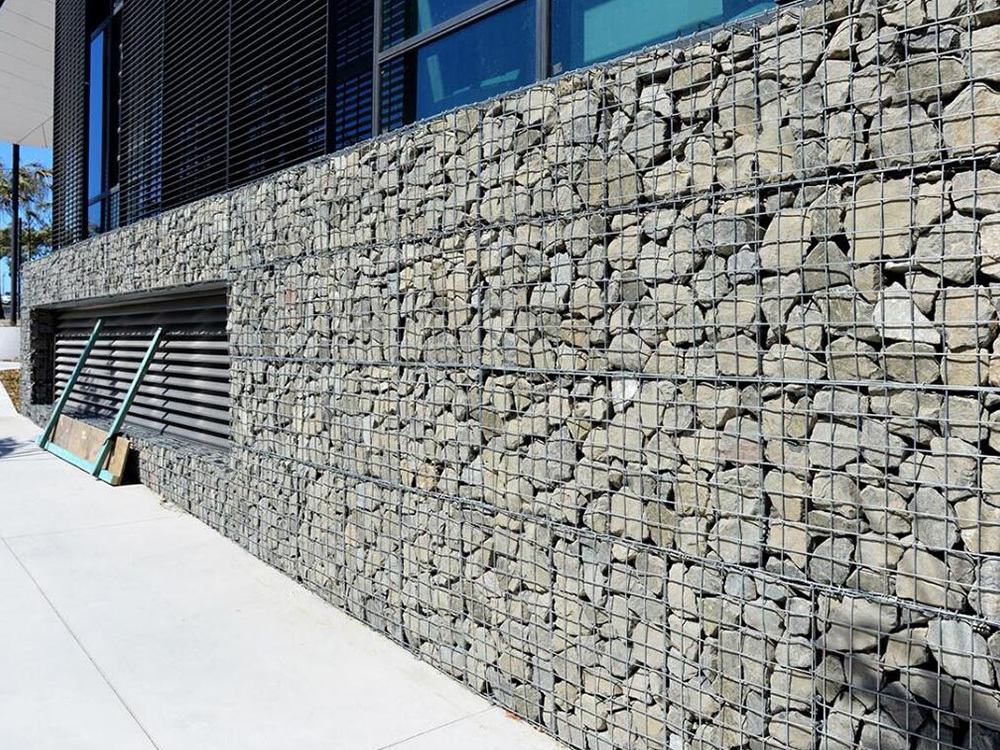
Gabion boxes are essentially wire mesh containers filled with rocks, gravel, or other materials. Their **woven mesh construction** allows for flexibility, drainage, and stability, making them suitable for a wide range of applications. Commonly used for retaining walls, erosion control, and landscaping, gabion boxes are a **sustainable choice** that combines functionality with aesthetic appeal.
The Advantages of Using Gabion Boxes
1. **Environmental Benefits**: Gabion boxes are made from natural materials and can help mitigate soil erosion while promoting biodiversity.
2. **Cost-Effective Solutions**: Their durability and low maintenance needs make them a cost-effective alternative to traditional building materials.
3. **Aesthetic Versatility**: With a variety of filling materials available, gabion boxes can be tailored to fit any design scheme, creating visually appealing structures that blend seamlessly into their surroundings.
4. **Structural Integrity**: The inherent strength of woven mesh ensures that gabion boxes can withstand harsh weather conditions and heavy loads.
Applications of Woven Mesh Gabion Boxes in Public Spaces
1. Retaining Walls and Erosion Control
One of the most common applications of woven mesh gabion boxes is in the construction of **retaining walls**. These walls not only hold back soil but also provide drainage and stability to slopes. By using gabion boxes, cities can effectively prevent erosion in vulnerable areas while creating visually appealing landscapes.
2. Decorative Features in Parks and Gardens
Gabion boxes can serve as decorative elements in public parks and gardens. Their versatility allows for the creation of unique seating areas, planters, and even art installations. By filling the boxes with colorful stones or plants, landscape designers can craft stunning focal points that attract visitors and enhance the overall experience of the space.
3. Noise Barriers and Privacy Screens
In urban settings, noise pollution can be a significant issue. Woven mesh gabion boxes can be used as **noise barriers**, effectively reducing sound levels in busy areas. Additionally, they can serve as privacy screens in parks and recreational areas, providing a peaceful environment for relaxation and enjoyment.
4. Flood Control Structures
Gabion boxes are increasingly being utilized in flood control efforts. Their porous nature allows water to flow through while still providing structural support. In areas prone to flooding, gabion structures can help redirect water flow and protect against erosion, ensuring the safety of public spaces.
Creative Design Ideas for Gabion Structures
1. Incorporating Greenery
One of the most compelling aspects of gabion boxes is their ability to support vegetation. By integrating plants into gabion structures, designers can create **living walls** that not only beautify public spaces but also improve air quality and enhance biodiversity.
2. Artistic Installations
Gabion boxes can be transformed into art installations, allowing artists to express their creativity while contributing to the urban landscape. From sculptures to interactive exhibits, the possibilities are limitless.
3. Multi-Functional Spaces
Gabion structures can be designed to serve multiple purposes. For example, a gabion wall can function as a seating area during the day and as a backdrop for community events at night. This versatility maximizes the usability of public spaces.
Case Studies: Successful Gabion Projects Around the World
1. The High Line, New York City
The High Line is a prime example of how gabion boxes can be integrated into urban design. This elevated park features gabion walls filled with locally sourced stones, creating a striking visual contrast against the lush greenery. The project has become a beloved public space, showcasing the beauty and functionality of gabion structures.
2. The Berlin Wall Memorial
In Berlin, gabion boxes have been used to commemorate the history of the Berlin Wall. The boxes are filled with stones from the original wall, serving as a poignant reminder of the city's past while creating a unique public space for reflection and education.
3. Erosion Control Projects in Australia
Various coastal communities in Australia have implemented gabion boxes for erosion control. These projects not only protect the shoreline but also enhance the natural beauty of the coastline, demonstrating the effectiveness of gabion structures in environmental conservation.
Challenges and Considerations in Using Gabion Boxes
1. Material Selection
Choosing the right filling material is crucial for the success of gabion projects. Designers must consider factors such as weight, drainage, and aesthetic appeal when selecting stones or other materials.
2. Installation and Maintenance
While gabion boxes are generally easy to install, proper planning and execution are essential to ensure their longevity and effectiveness. Regular maintenance, including checking for damage and replenishing filling materials, is also necessary to keep the structures in good condition.
3. Local Regulations
Before implementing gabion projects, it is important to be aware of local regulations and guidelines. Different municipalities may have specific requirements for construction and design, and adherence to these regulations is essential for successful project completion.
FAQs About Woven Mesh Gabion Boxes
1. What materials can be used to fill gabion boxes?
Gabion boxes can be filled with various materials, including natural stones, recycled concrete, gravel, and even soil for planting vegetation.
2. How long do gabion structures last?
With proper installation and maintenance, gabion structures can last for decades. The galvanized steel mesh is highly resistant to corrosion, ensuring durability.
3. Are gabion boxes environmentally friendly?
Yes, gabion boxes are made from natural materials and can promote biodiversity and erosion control, making them an eco-friendly choice for public spaces.
4. Can gabion walls support vegetation?
Absolutely! Gabion walls can be designed to support plants, creating living walls that enhance the beauty and ecological value of public spaces.
5. What are the costs associated with gabion projects?
The costs of gabion projects can vary significantly based on factors such as size, filling materials, and installation requirements. However, they are often considered a cost-effective solution compared to traditional building methods.
Conclusion: The Future of Public Spaces with Gabion Boxes
As urban areas continue to evolve, the need for innovative and sustainable solutions becomes increasingly important. Woven mesh gabion boxes offer a unique combination of functionality, aesthetic appeal, and environmental benefits that can significantly enhance public spaces. Their versatility allows for creative applications, from erosion control to decorative features, making them an invaluable tool for landscape architects and urban planners. By embracing the potential of gabion structures, cities can create vibrant, sustainable environments that foster community engagement and well-being. Through thoughtful design and implementation, woven mesh gabion boxes will undoubtedly play a crucial role in the future of urban landscapes.
Keywords:
More information


Wechat and Mobile: