

Understanding Chain Link Fences: Benefits, Applications, and Maintenance
Release Time:
Dec 23,2024
Chain link fences are a popular choice in the construction and decorative materials industry, particularly known for their versatility, durability, and cost-effectiveness. Whether you're looking to secure your property, create a boundary for pets, or enhance the aesthetic appeal of your landscape, understanding the benefits and applications of chain link fences can help you make an informed decisi

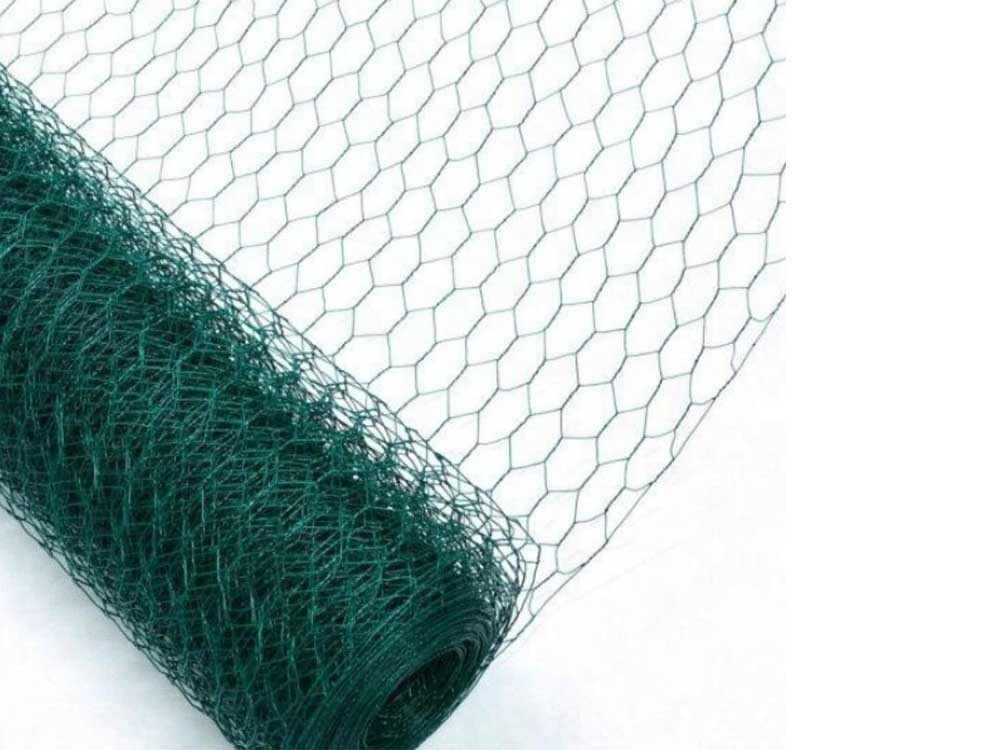
Chain link fences are a popular choice in the construction and decorative materials industry, particularly known for their versatility, durability, and cost-effectiveness. Whether you're looking to secure your property, create a boundary for pets, or enhance the aesthetic appeal of your landscape, understanding the benefits and applications of chain link fences can help you make an informed decision.
One of the primary advantages of a chain link fence is its strength and durability. Made from high-quality steel wire, these fences are resistant to weather conditions, making them suitable for various environments. Unlike wooden fences, which may warp or rot over time, chain link fences maintain their integrity, providing a long-lasting solution for security and visibility.
Chain link fences are also highly versatile in their applications. They are commonly used in residential, commercial, and industrial settings. Homeowners may choose chain link fences to delineate property lines or safeguard gardens and pools. In commercial settings, they provide security for parking lots, warehouses, and storage facilities. Furthermore, they are frequently employed in sports fields to create boundaries and protect spectators, showcasing their adaptability across different sectors.
Installation of a chain link fence is generally straightforward, which can lead to reduced labor costs compared to other fencing options. The process typically involves setting up posts, stretching the wire mesh, and securing it in place. While some homeowners may choose to install the fence themselves, hiring a professional can ensure a more precise and durable installation.
Maintenance of chain link fences is relatively minimal. Regular inspections are recommended to check for rust or damage, especially in areas with high moisture. If you notice any rust, it can be managed by applying a rust-inhibiting agent or, in more severe cases, replacing the affected sections. Additionally, keeping the fence clean by removing debris can help preserve its appearance and functionality.
One important consideration when choosing a chain link fence is the gauge of the wire. The gauge refers to the thickness of the wire, and a lower gauge indicates a thicker wire, which can provide more strength and durability. Depending on your specific needs—be it security, aesthetics, or budget—selecting the appropriate gauge is essential.
In summary, chain link fences offer a robust, versatile, and cost-effective solution for various fencing needs. Their durable nature, ease of installation, and low maintenance requirements make them a favored choice among property owners and businesses alike. By understanding their benefits, applications, and maintenance tips, you can better appreciate how a chain link fence can meet your fencing requirements and enhance the security of your property.
One of the primary advantages of a chain link fence is its strength and durability. Made from high-quality steel wire, these fences are resistant to weather conditions, making them suitable for various environments. Unlike wooden fences, which may warp or rot over time, chain link fences maintain their integrity, providing a long-lasting solution for security and visibility.
Chain link fences are also highly versatile in their applications. They are commonly used in residential, commercial, and industrial settings. Homeowners may choose chain link fences to delineate property lines or safeguard gardens and pools. In commercial settings, they provide security for parking lots, warehouses, and storage facilities. Furthermore, they are frequently employed in sports fields to create boundaries and protect spectators, showcasing their adaptability across different sectors.
Installation of a chain link fence is generally straightforward, which can lead to reduced labor costs compared to other fencing options. The process typically involves setting up posts, stretching the wire mesh, and securing it in place. While some homeowners may choose to install the fence themselves, hiring a professional can ensure a more precise and durable installation.
Maintenance of chain link fences is relatively minimal. Regular inspections are recommended to check for rust or damage, especially in areas with high moisture. If you notice any rust, it can be managed by applying a rust-inhibiting agent or, in more severe cases, replacing the affected sections. Additionally, keeping the fence clean by removing debris can help preserve its appearance and functionality.
One important consideration when choosing a chain link fence is the gauge of the wire. The gauge refers to the thickness of the wire, and a lower gauge indicates a thicker wire, which can provide more strength and durability. Depending on your specific needs—be it security, aesthetics, or budget—selecting the appropriate gauge is essential.
In summary, chain link fences offer a robust, versatile, and cost-effective solution for various fencing needs. Their durable nature, ease of installation, and low maintenance requirements make them a favored choice among property owners and businesses alike. By understanding their benefits, applications, and maintenance tips, you can better appreciate how a chain link fence can meet your fencing requirements and enhance the security of your property.
Keywords:
More information




Wechat and Mobile: