

Understanding Livestock Fence Panels: Essential Components for Successful Farming
Release Time:
Jan 02,2025
Livestock fence panels are crucial components in the agricultural landscape, serving both functional and protective roles within livestock management. Primarily designed to create secure enclosures, these panels help safeguard animals while allowing farmers to manage their properties effectively. Understanding the various types of livestock fence panels and their applications can significantly enh

Livestock fence panels are crucial components in the agricultural landscape, serving both functional and protective roles within livestock management. Primarily designed to create secure enclosures, these panels help safeguard animals while allowing farmers to manage their properties effectively. Understanding the various types of livestock fence panels and their applications can significantly enhance the efficiency and safety of your farming operations.
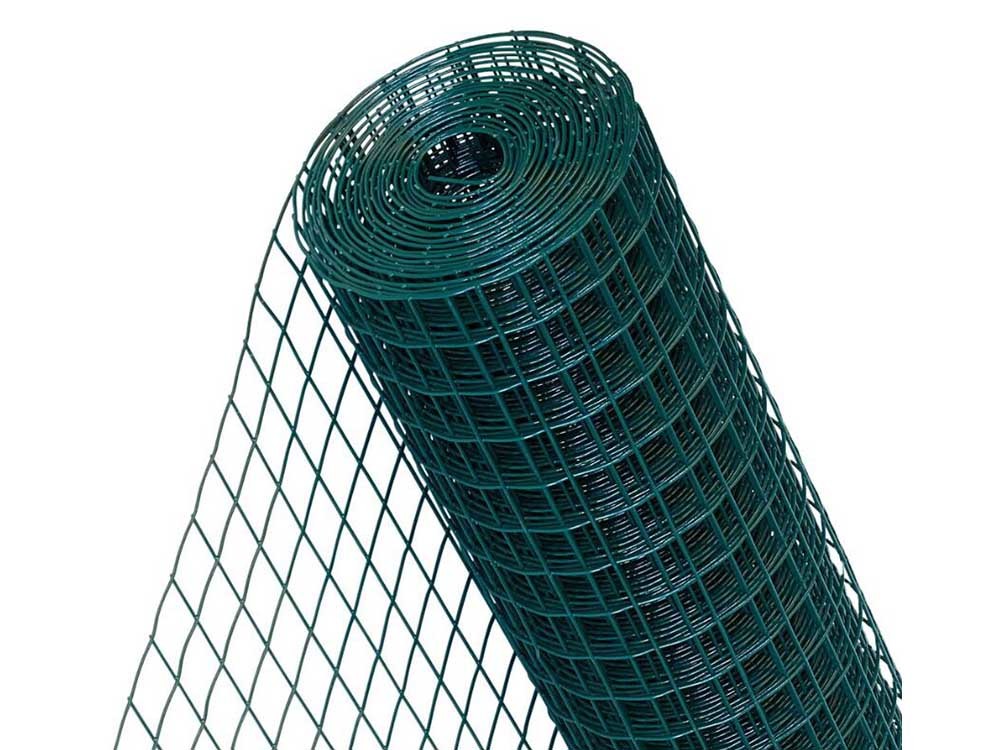
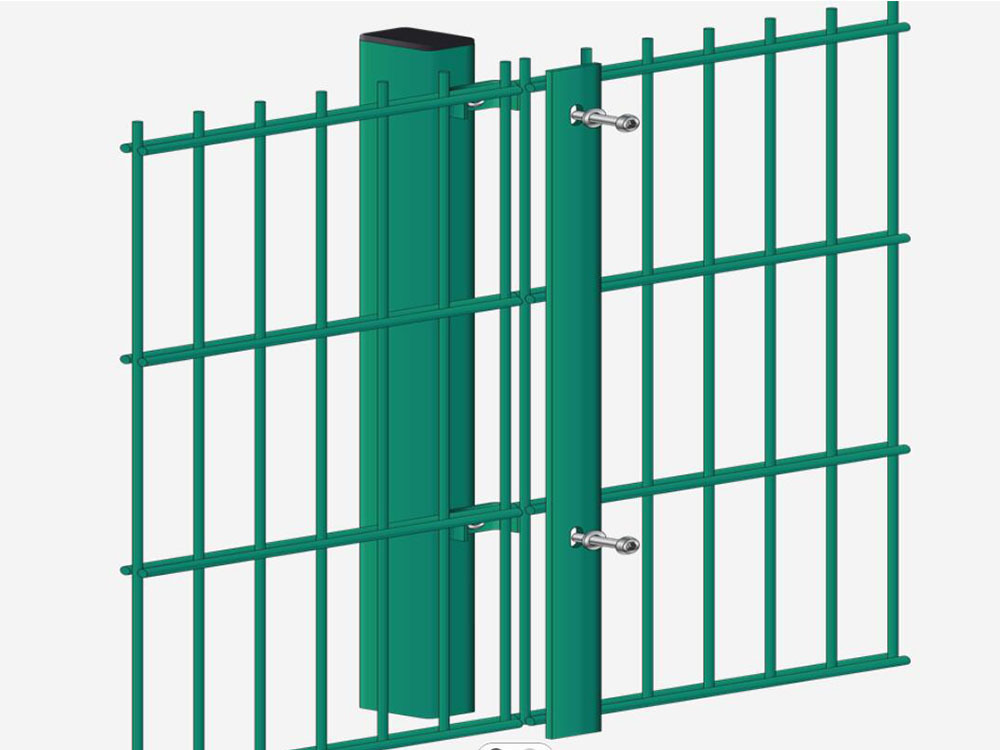
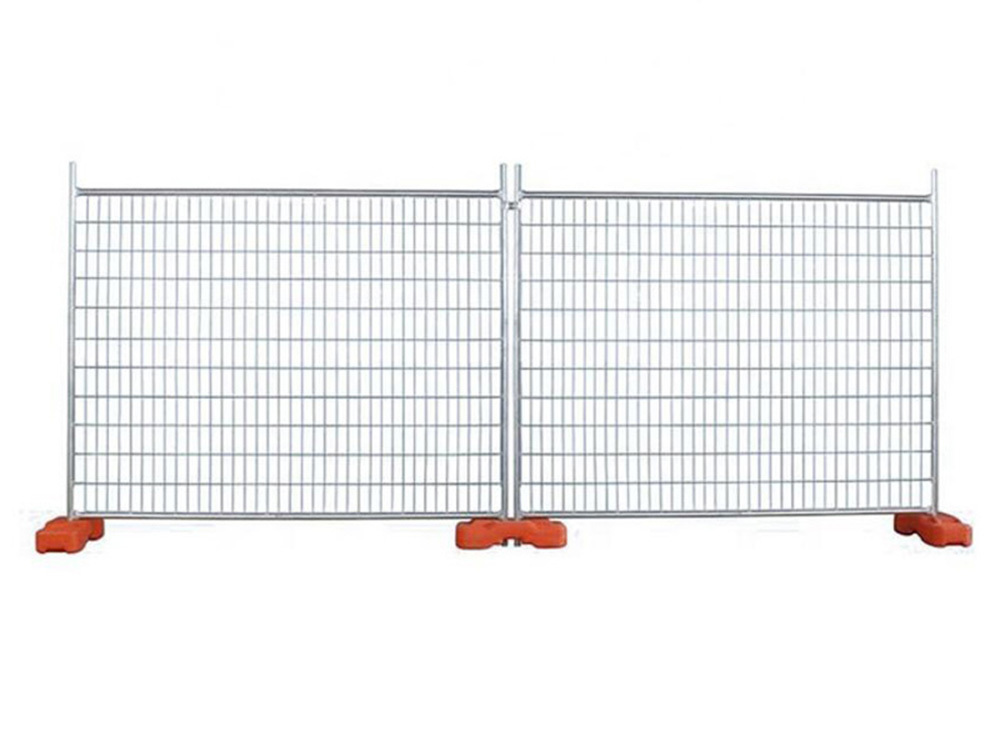
One of the most common types of livestock fence panels is the welded wire panel. These panels are constructed from vertical and horizontal wires that are welded at intersections, creating a sturdy barrier. They are particularly effective for containing larger animals such as cattle or horses, as they can withstand both the weight and pressure exerted by these animals. Another popular option is the cattle panel, which is specifically designed to keep cattle contained. These panels are typically heavier and more robust than standard fencing options, making them suitable for the rigorous demands of livestock farming.
Additionally, livestock fence panels can be made from various materials, including galvanized steel, wood, and plastic. Galvanized steel panels are favored for their durability and resistance to rust, making them an ideal choice for farmers in varied climates. Wooden panels, while aesthetically pleasing, may require more maintenance and can be less durable, depending on the wood type and treatment. Plastic panels, on the other hand, are lightweight and resistant to decay, though they may not offer the same level of security as metal or wooden options.
The benefits of using livestock fence panels extend beyond the mere containment of animals. They play a vital role in establishing boundaries within pastures, allowing farmers to implement rotational grazing techniques. This practice not only improves pasture health but also maximizes the use of available land resources. Additionally, well-constructed panels can also help prevent wildlife intrusion, protecting livestock from potential threats.
When selecting livestock fence panels, it is essential to consider several factors, including the type of animals being contained, environmental conditions, and the specific needs of your farm. Proper installation is equally important; panels should be securely anchored and positioned to minimize gaps that could allow livestock to escape or predators to enter. Regular maintenance is also crucial to ensure that panels remain in good condition over time.
In conclusion, livestock fence panels are indispensable in modern farming practices. They provide secure enclosures, support effective livestock management, and contribute to the overall health of both animals and pastures. Understanding the different types of panels available and their specific applications will empower farmers to make informed decisions that enhance their operations and promote sustainable agricultural practices. By investing in the right livestock fence panels, you can create a safe and efficient environment for your livestock.
Keywords:
More information



Wechat and Mobile: