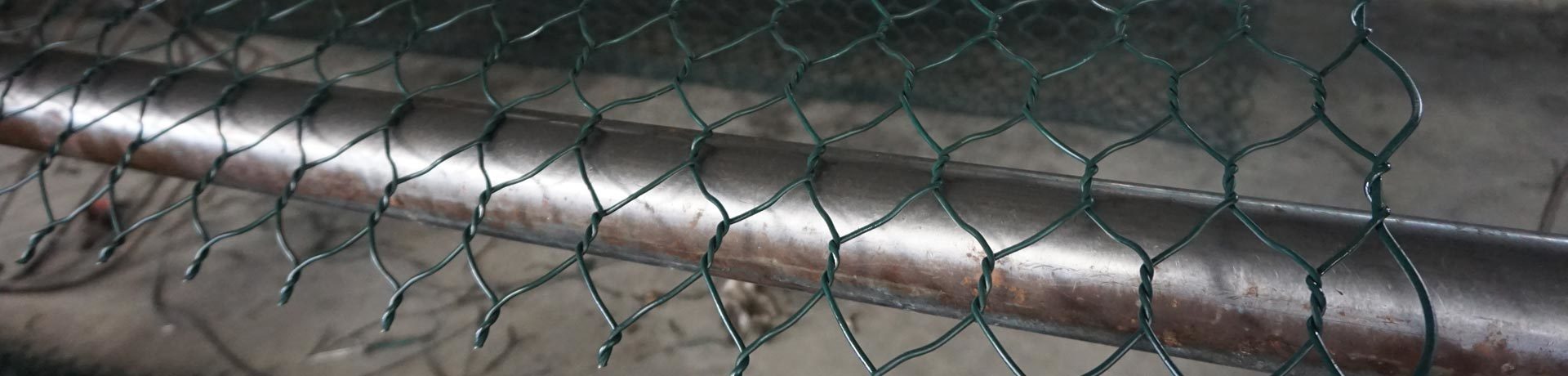
Applications of Hexagonal Mesh and its Advantages
Release Time:
Sep 30,2026
Explore the common applications and key advantages of hexagonal mesh, from poultry fencing and garden protection to plastering, gabions, and erosion control.

Hexagonal mesh is one of those wire mesh products that can turn up in far more projects than you might expect. It is commonly used for poultry and small animal enclosures, garden and crop protection, landscaping, plastering, and various erosion-control applications. Depending on the wire diameter, mesh opening, and surface treatment, it can serve very different purposes.
What makes hexagonal mesh useful is its combination of flexibility, easy handling, good ventilation, and practical protection. It can be cut, shaped, and fixed without much difficulty, while different coatings and specifications make it suitable for both indoor and outdoor use.
That said, not every hexagonal mesh is made for the same job. A light mesh for a chicken enclosure has very different requirements from heavy-duty mesh used in gabions or slope protection. In this guide, we’ll look at where hexagonal mesh is commonly used, what advantages it offers, and which specifications matter when choosing the right type for your project.
What Is Hexagonal Mesh?
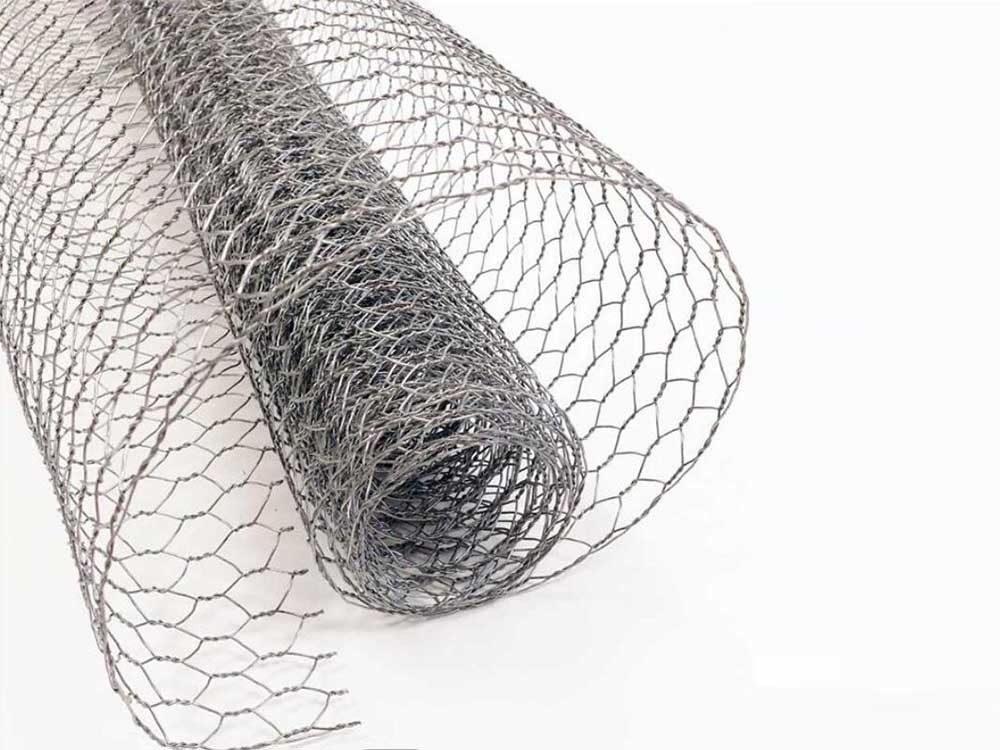
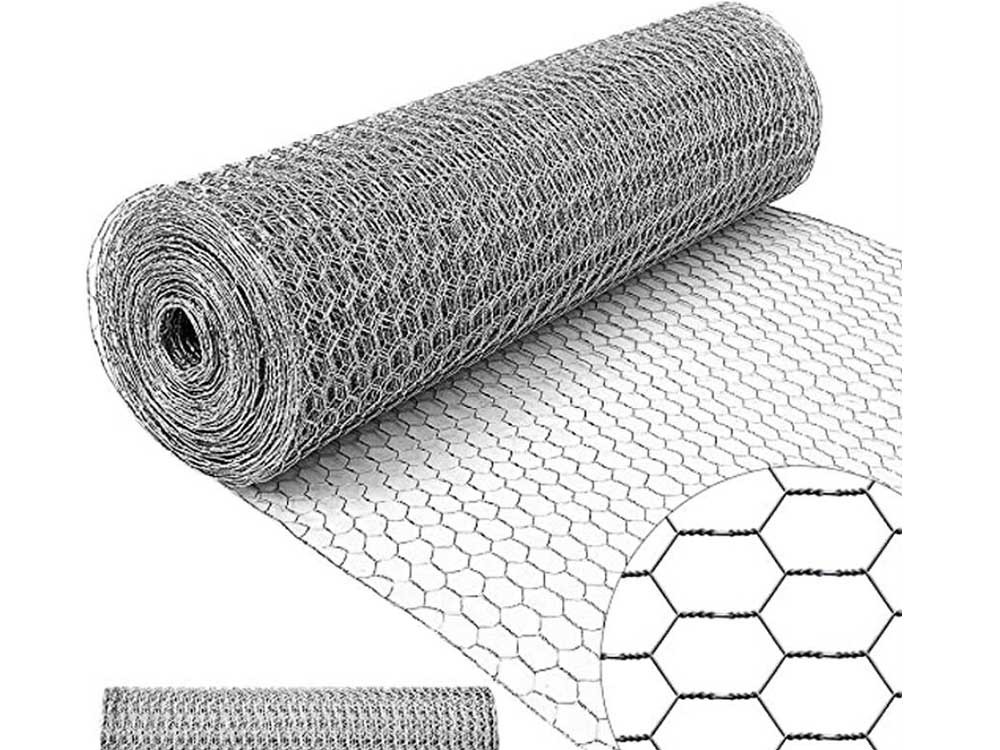
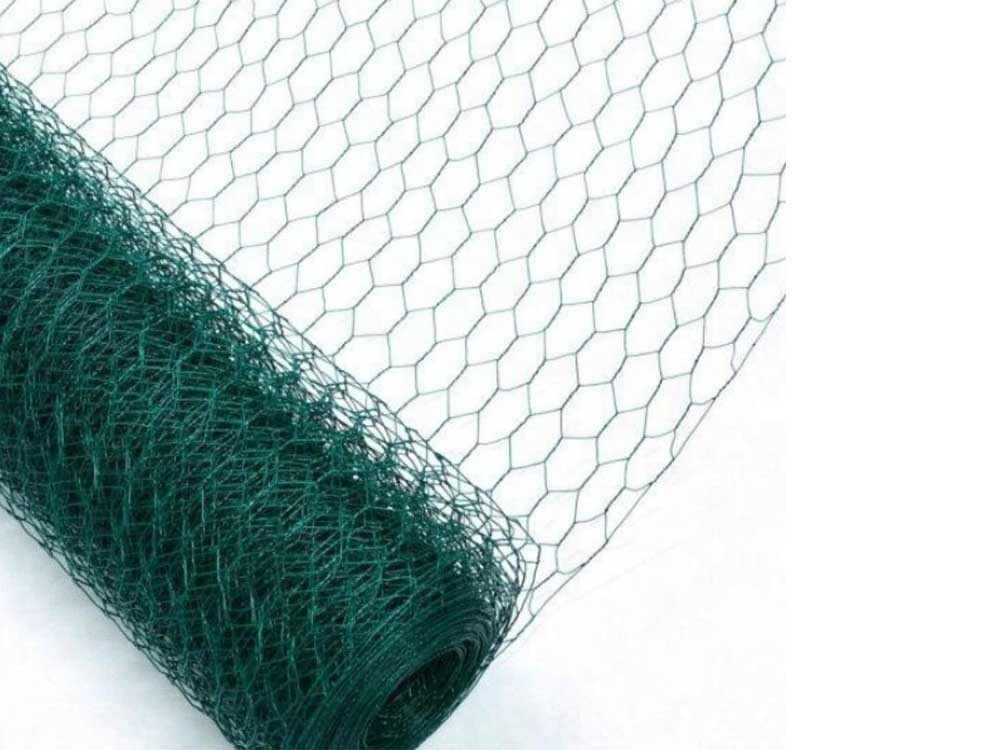
Hexagonal mesh, often known as hexagonal wire mesh, is made by twisting wire into a honeycomb-like pattern. Unlike rigid welded mesh, it has some give, which makes it easy to roll, cut, bend, and work around different shapes and surfaces.
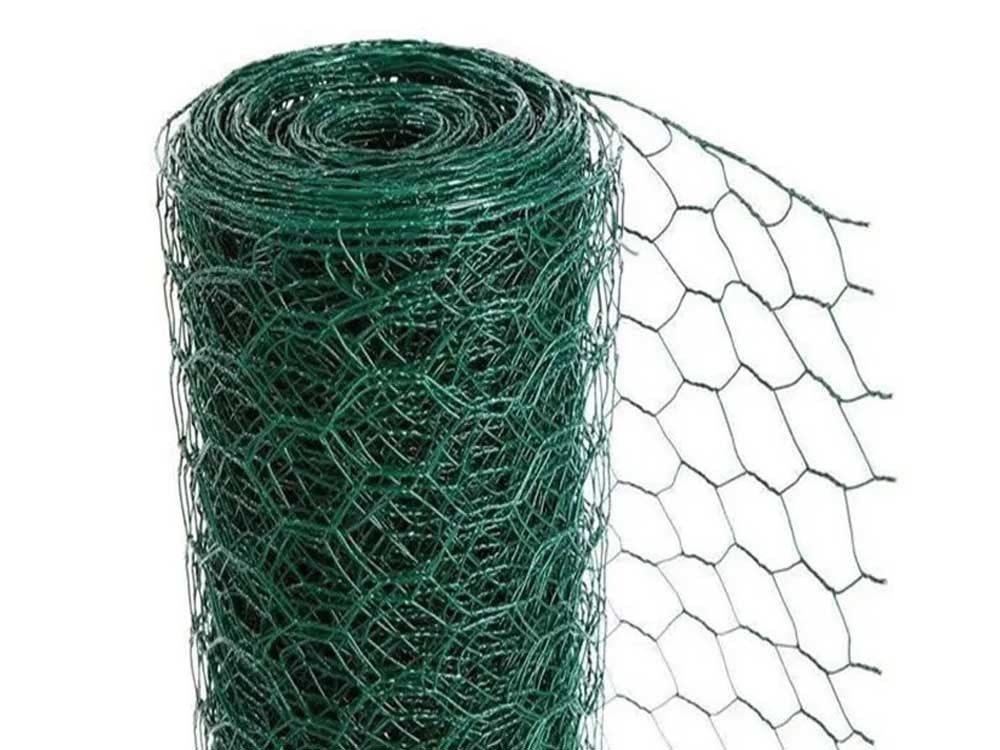
Depending on the intended use, hexagonal mesh can be made from galvanized steel wire or PVC-coated wire. Mesh opening and wire diameter also vary, allowing the mesh to be matched to everything from light-duty poultry fencing to more demanding construction and landscaping work.
You may also hear hexagonal mesh referred to as chicken wire or poultry netting. These terms are often used for lighter mesh used around chickens, gardens, and small animals, while heavier hexagonal mesh is available for applications such as gabions and erosion control.
Its simple woven structure is a big part of its appeal. It creates a reliable barrier without blocking airflow or light. Its flexible structure also makes it easy to install on uneven ground and around corners.
Common Applications of Hexagonal Mesh
Hexagonal wire mesh is used in more places than its simple appearance might suggest. It is common in agriculture and gardening, but you will also find it in construction, landscaping, gabion structures, and erosion-control work.
The exact type of mesh varies with the application. Wire diameter, mesh opening, and coating all affect how well it performs in a particular setting.

1. Poultry and Small Animal Enclosures
Chicken fencing is probably the use most closely associated with hexagonal mesh. It is widely used for chicken runs, rabbit enclosures, and other areas for keeping small animals contained.
The open weave allows air and light to pass through, which suits outdoor animal enclosures well. It is also simple to cut and fasten to posts, timber frames, or existing fences.
Mesh opening is an important consideration here. A size that works for chickens may be too large for rabbits or other small animals. If the enclosure needs protection from predators, a thicker wire may also be necessary.
2. Protection of Garden and Crop
Hexagonal mesh is often used for fencing around vegetable beds, nurseries, young trees and small areas of orchards. It’s a barrier that allows sunlight and air through, but keeps birds and small animals away from the plants.
It is easy to work with around existing plants, too. The mesh can be cut to size and shaped around trees, garden beds, and other uneven areas. For small protection projects, that flexibility can save quite a bit of time during installation.
3. Landscape and Plant Supports
Hexagonal wire mesh is good for climbing plants and vines for landscaping. It can be attached to posts or walls to create a simple surface on which plants can grow.
Hexagonal mesh bends easily around curves and uneven sections. The open pattern gives climbing plants room to grow, while the wire is much easier to work with than a rigid panel.
4. Reinforcement of Masonry and Plaster
Hexagonal wire mesh is also used for plastering and masonary work; It may be embedded in plaster, or used as a reinforcing layer where additional support is required.
For example, it can help to reinforce joints and areas where different materials are joined together. The mesh holds the covering in place and can help reduce surface cracking from minor movement.
This type of app requires that you select the correct job. The hexagonal mesh is not a substitute for structural reinforcement, and the required wire diameter and opening will depend on the method of construction.
5. Gabion and Stone-Filled Structures
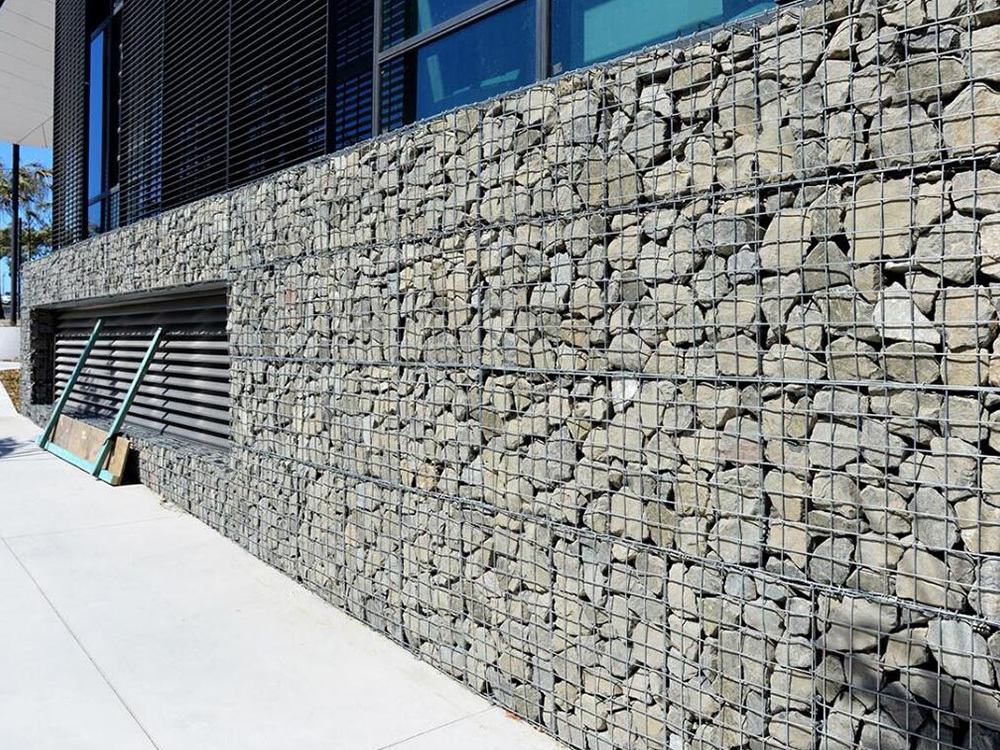
For gabion baskets, contractors use a heavier grade of hexagonal mesh to hold the stone fill in place. You will commonly see gabions in retaining walls, riverbank work, landscaping, and erosion-control projects.
The open weave is useful here because water can drain through the stone rather than building up behind it. The mesh keeps the fill together and gives the structure its shape.
Gabion mesh is much heavier than the light wire normally used for chicken fencing. It needs to handle the weight of the stone as well as rain, moisture, and other outdoor conditions, so wire diameter and coating deserve careful attention.
6. Erosion Control and Slopes
Hexagonal mesh may also be used for the protection of slopes and embankments against surface erosion. It offers a structure for holding onto loose soil, stones, and other surface materials.
In some projects, the mesh is combined with stones, vegetation or other erosion-control materials. The mesh lets vegetation grow through it and can give extra protection for the surface.
However, for steep slopes requiring structural support, a retaining wall or other engineered system may be more appropriate.
7. Protective Barriers and General Fences
Hexagon wire is a simple way to section off an area, or to keep plants, equipment and other property safe for lighter fencing jobs. Typical examples are tree guards, temporary enclosures and small areas of storage.
The material is easy to cut, handle, and fix on site. Its open structure also keeps the area visible and well ventilated.
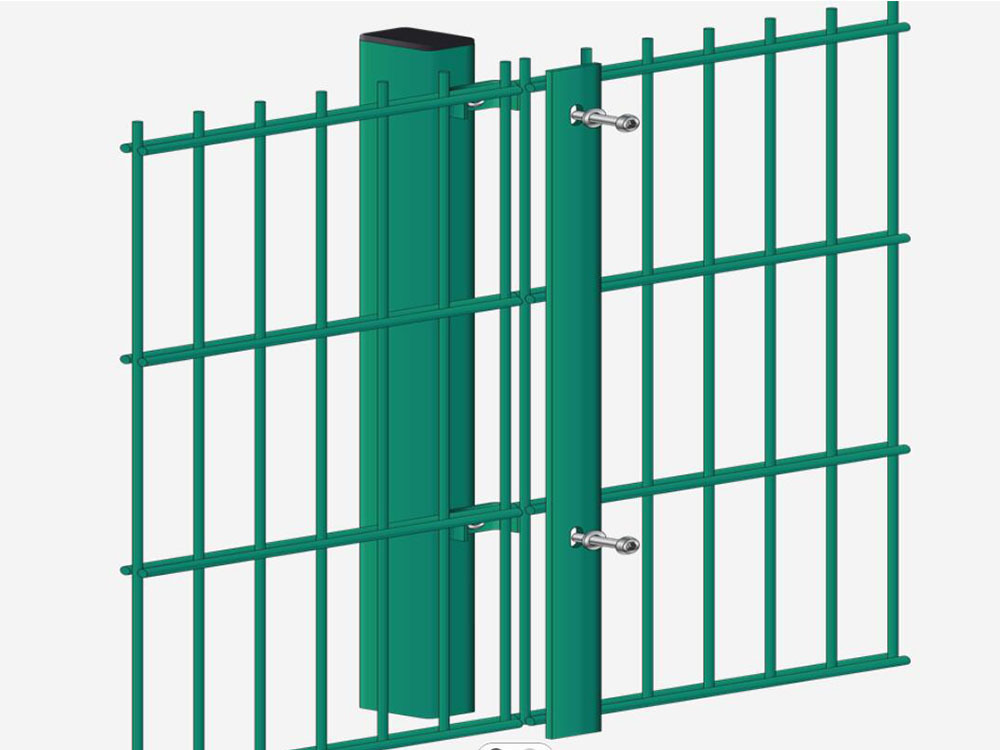
Where high impact resistance or security is required, a more rigid fencing product will usually be needed. Welded wire mesh and security fence panels, for example, are better suited to those conditions.
Advantages of Hexagonal Mesh
Hexagonal mesh is easy to work with and comes in a wide range of specifications. The wire diameter, mesh opening, and coating can all be adjusted to suit different applications, from light garden fencing to heavier construction work. Check out the advantages of hexagonal mesh to learn more about its flexible installation and versatile performance.
Flexible and Easy to Handle
One of the main advantages of hexagonal mesh is its flexibility. You can bend it around corners, posts, trees, and uneven ground without much effort. It also works well where a rigid fence panel would be awkward to install.
Because it comes in rolls, you can cut off the amount you need on site instead of handling large, fixed-size panels. That makes the mesh particularly convenient for small fencing jobs and projects with irregular layouts.
It also comes in rolls, which makes it easier to cut to the length you need and move around the site.
Lightweight but Practical
For many agricultural, gardening, and light-duty fencing jobs, there is no need for a heavy steel panel. Hexagonal wire mesh provides a simple barrier while keeping the overall material weight relatively low.
That is useful when the mesh has to be carried, cut, and installed by hand. It also helps keep storage and transportation fairly straightforward.
Good Airflow and Visibility
The open pattern leaves plenty of space for air and light to pass through. This is particularly useful around poultry areas, gardens, and plant enclosures.
You can create a physical barrier without completely closing off the space behind it. People can still see through the mesh, and enclosed areas remain well ventilated.
Corrosion Resistance
The service life of hexagonal mesh depends heavily on the wire and surface treatment. Galvanized wire holds up well against moisture and normal outdoor exposure.
If the mesh will be used in a wetter or harsher setting, hot-dip galvanizing or a PVC coating can give it extra protection. PVC coating also comes in several colors, which can be useful when appearance matters. The right finish depends on how and where the mesh will be used.
Easy to Install and Transport
A roll of hexagonal mesh is relatively easy to handle on site. It can be unrolled, measured, cut, and fixed with common fencing or tying materials.
There is also less packaging and handling involved compared with bulky rigid panels. For large quantities, this can make a noticeable difference during loading, transport, and storage.
Cost-Effective for Many Applications
For a lot of everyday fencing and protection jobs, hexagonal mesh does the job without adding unnecessary weight or material cost. A roll is also easy to handle and install, which can help keep labor and transport costs under control.
The price will vary with the wire diameter, mesh opening, coating, roll size, and order quantity. For larger projects, using the right specification from the start can make a real difference to the overall material cost.
How to Choose the Right Hexagonal Mesh
There are a few things to check before ordering hexagonal mesh. Think about the job first, then choose the mesh to match it.
There are a few things to check before ordering hexagonal mesh. Think about the job first, then choose the mesh to match it. Learn more why choose hexagonal wire mesh to help evaluate your site conditions and pick the right specification.
- Mesh Opening Size: The opening is a good place to start. For poultry, small animals, or pest control, smaller openings usually work better because they leave less room for animals to get through. Larger openings are fine for general garden fencing and other jobs where you don't need such close spacing.
- Wire Diameter: This comes down to how much the mesh will have to put up with. Light wire works well for simple jobs. If animals may push against the fence, or the mesh will get knocked around during use, go with a thicker wire. It will hold its shape better and is less likely to bend or break.
- Surface Treatment: Galvanized wire is a popular option for outdoor projects and holds up well in normal weather. Where the mesh will see frequent moisture or harsher conditions, hot-dip galvanized or PVC-coated wire is worth considering. PVC coating also gives you a choice of colors.
- Roll Width and Length: Take a look at the roll dimensions before ordering. A width that matches the fence height can save a fair amount of cutting and joining during installation. For larger projects, the right roll length can also help keep material waste down.
- Twist Type: Normal twist, reverse twist, and reinforced options are available. For a straightforward fence or enclosure, standard mesh may do the job. If the edges will take more pulling or handling, reinforced mesh can be a better fit.
Conclusion
Hexagonal mesh remains a useful choice for jobs that call for a flexible wire barrier rather than a rigid panel. It is easy to cut and handle, and you can find it in a wide range of wire sizes, openings, and finishes.
It works particularly well for poultry and garden fencing, small animal enclosures, tree protection, and certain agricultural and construction applications. The important part is matching the mesh to the job. A lightweight mesh may be perfectly adequate for a garden, but it may not stand up well where animals can push against it or where the mesh has to carry a heavier load.
For larger orders, it is worth confirming the opening, wire diameter, coating, roll size, and edge type before production. Choose Dunqiang and get those details right at the start, which can save material, installation time, and unnecessary replacements later.
FAQs
What Is Hexagonal Mesh Used For?
Hexagonal mesh is used for much more than poultry fencing. Common uses include garden and agricultural fencing, small animal enclosures, tree guards, gabion work, and some erosion-control projects. The wire size and opening should be matched to the job rather than using one specification for every application.
Is Chicken Wire the Same as Hexagonal Mesh?
Nope. Chicken wire is a light type of hexagonal mesh. Usually used for poultry runs, cages and small animal fencing. Hexagonal mesh covers a wider range of products with different wire thicknesses, opening sizes, coatings and edge styles. So chicken wire is a hexagonal mesh but not all hexagonal mesh products are chicken wire.
Is Hexagonal Wire Mesh Suitable for Outdoor Use?
Yes. Galvanised hexagonal mesh is good for most day to day outdoor applications. The zinc coating protects the wire against rain and moisture. Hot-dip galvanised or PVC coated wire is worth considering if the mesh is going to spend long periods of time in wetness or tougher weather conditions. The wire diameter is important too, especially if the fence is going to take knocks or pressure from animals.
What Mesh Size Should I Use for Poultry or Garden Fencing?
For poultry fencing, choose an opening small enough to keep the birds contained and prevent smaller animals from getting through. Garden fencing is more flexible. If the main purpose is to keep out rabbits or other small pests, a smaller opening is usually needed than for a simple boundary fence. Wire diameter matters too, especially if animals may push or lean against the mesh.
What Is PVC Coated Hexagonal Mesh?
PVC-coated hexagonal mesh is galvanized wire with a PVC layer around it. The coating helps protect the wire from moisture and corrosion, which makes it a practical choice for outdoor use. You can also get it in different colors, so it doesn't always have to look like plain galvanized wire.
If you're ordering it for a project, don't look at the PVC coating alone. Check the wire diameter, mesh opening, and coating thickness as well. These details can make a noticeable difference in how the mesh performs outdoors.
Keywords:
More information



Wechat and Mobile: