Understanding Barbed Wire: A Comprehensive Guide for Construction and Decorative Materials
Release Time:
Mar 24,2025
Barbed wire is a type of fencing wire that is commonly used for security and boundary demarcation. Characterized by its sharp barbs, which are spaced at intervals along the wire, it serves as a deterrent to unauthorized access and is widely utilized in various applications, particularly within the construction and decorative materials industry. Understanding the properties and uses of barbed wire

Barbed wire is a type of fencing wire that is commonly used for security and boundary demarcation. Characterized by its sharp barbs, which are spaced at intervals along the wire, it serves as a deterrent to unauthorized access and is widely utilized in various applications, particularly within the construction and decorative materials industry. Understanding the properties and uses of barbed wire can be beneficial for those involved in building and construction, especially when it comes to fencing solutions.
One of the primary advantages of barbed wire is its effectiveness in providing security. When installed properly, it creates a formidable barrier against intruders, making it an ideal choice for construction sites, agricultural areas, and residential properties where safety is a concern. In many cases, barbed wire is combined with other fencing types, such as chain-link or wooden fences, to enhance overall security. The presence of sharp barbs acts as a psychological deterrent, discouraging potential trespassers from attempting to breach the fence.
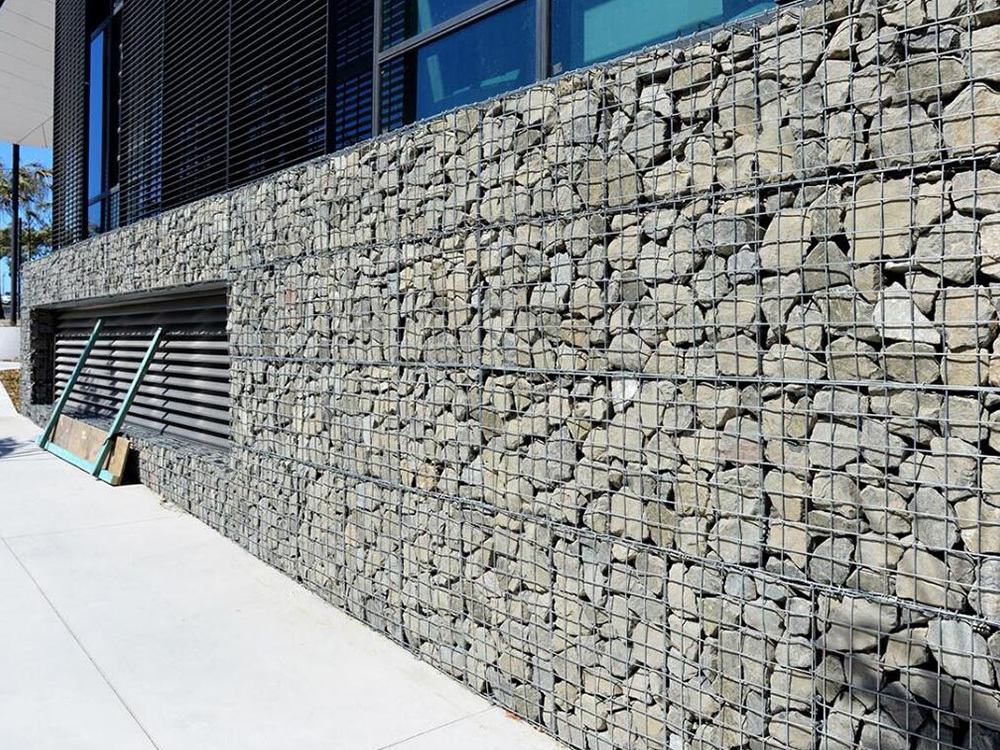
In addition to security, barbed wire can also play a decorative role in certain applications. When used creatively, it can contribute to a rustic or industrial aesthetic. For instance, in landscape design, barbed wire can be incorporated into various outdoor settings, adding character and charm while providing a functional barrier. Designers and architects might use it in conjunction with other materials, such as stone or wood, to create visually appealing fences that also serve practical purposes.
Moreover, barbed wire is known for its durability and low maintenance needs. Typically made from galvanized steel, it is resistant to rust and corrosion, which makes it suitable for outdoor use in various climates. This longevity allows it to withstand the elements, reducing the need for frequent replacements. Additionally, the installation process is relatively straightforward, which can save time and labor costs for construction projects.
When considering barbed wire for your next project, it is important to be aware of local regulations and guidelines regarding its use. In some areas, there may be restrictions on the height and type of barbed wire that can be utilized, particularly in residential neighborhoods. Compliance with these regulations is essential to avoid potential legal issues.
In conclusion, barbed wire is a versatile material that offers both security and aesthetic appeal in the construction and decorative materials industry. From safeguarding properties to enhancing landscape design, its applications are diverse and impactful. By understanding its features and benefits, professionals in the industry can make informed decisions regarding the use of barbed wire in their projects.
One of the primary advantages of barbed wire is its effectiveness in providing security. When installed properly, it creates a formidable barrier against intruders, making it an ideal choice for construction sites, agricultural areas, and residential properties where safety is a concern. In many cases, barbed wire is combined with other fencing types, such as chain-link or wooden fences, to enhance overall security. The presence of sharp barbs acts as a psychological deterrent, discouraging potential trespassers from attempting to breach the fence.
In addition to security, barbed wire can also play a decorative role in certain applications. When used creatively, it can contribute to a rustic or industrial aesthetic. For instance, in landscape design, barbed wire can be incorporated into various outdoor settings, adding character and charm while providing a functional barrier. Designers and architects might use it in conjunction with other materials, such as stone or wood, to create visually appealing fences that also serve practical purposes.
Moreover, barbed wire is known for its durability and low maintenance needs. Typically made from galvanized steel, it is resistant to rust and corrosion, which makes it suitable for outdoor use in various climates. This longevity allows it to withstand the elements, reducing the need for frequent replacements. Additionally, the installation process is relatively straightforward, which can save time and labor costs for construction projects.
When considering barbed wire for your next project, it is important to be aware of local regulations and guidelines regarding its use. In some areas, there may be restrictions on the height and type of barbed wire that can be utilized, particularly in residential neighborhoods. Compliance with these regulations is essential to avoid potential legal issues.
In conclusion, barbed wire is a versatile material that offers both security and aesthetic appeal in the construction and decorative materials industry. From safeguarding properties to enhancing landscape design, its applications are diverse and impactful. By understanding its features and benefits, professionals in the industry can make informed decisions regarding the use of barbed wire in their projects.
Keywords:
More information




Wechat and Mobile: