Maximizing Durability: The Role of Woven Mesh Gabion Boxes in Modern Construction
Release Time:
Jan 11,2025
Maximizing Durability with Woven Mesh Gabion Boxes in Construction Table of Contents Introduction to Woven Mesh Gabion Boxes Understanding Gabion Structures Benefits of Using Woven Mesh Gabion Boxes Applications of Woven Mesh Gabion Boxes in Construction Design Considerations for Gabion Boxes Installation Techniques for Optimal Performance Maintenance Requirements for

Maximizing Durability with Woven Mesh Gabion Boxes in Construction
Table of Contents
- Introduction to Woven Mesh Gabion Boxes
- Understanding Gabion Structures
- Benefits of Using Woven Mesh Gabion Boxes
- Applications of Woven Mesh Gabion Boxes in Construction
- Design Considerations for Gabion Boxes
- Installation Techniques for Optimal Performance
- Maintenance Requirements for Longevity
- Case Studies: Success Stories with Gabion Boxes
- Frequently Asked Questions
- Conclusion: The Future of Construction with Woven Mesh Gabion Boxes
Introduction to Woven Mesh Gabion Boxes
Woven mesh gabion boxes are increasingly becoming an essential component in modern construction. These structures are made from interconnected wire mesh, filled with stones or other materials, providing a robust solution for various engineering challenges. Their unique design not only offers aesthetics but also enhances durability, making them a preferred choice in landscaping, erosion control, and structural applications.
In this article, we will explore the myriad benefits of woven mesh gabion boxes, their diverse applications, and how they contribute to maximizing durability in construction projects.
Understanding Gabion Structures
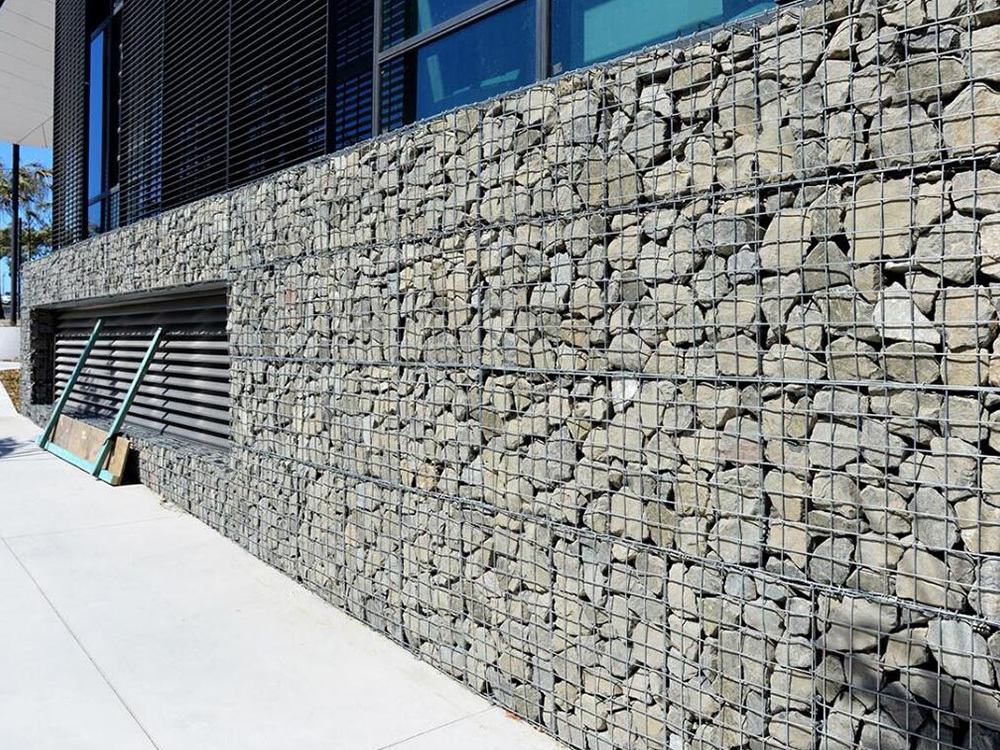
Gabions are essentially large, wire mesh containers that are filled with rocks, concrete, or other materials. They have been used for centuries in civil engineering and construction, primarily for their flexibility and adaptability.
The Composition of Woven Mesh Gabion Boxes
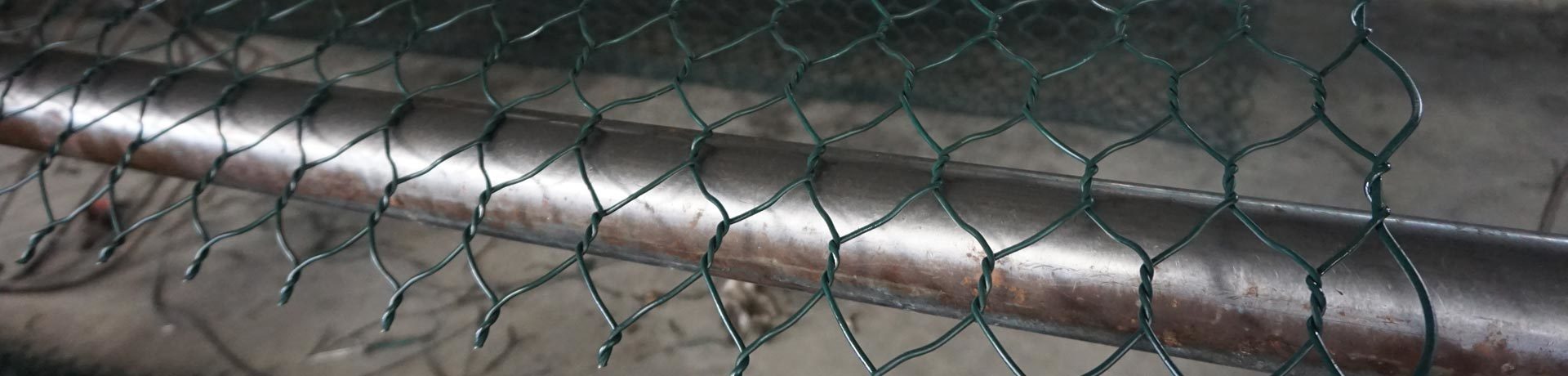
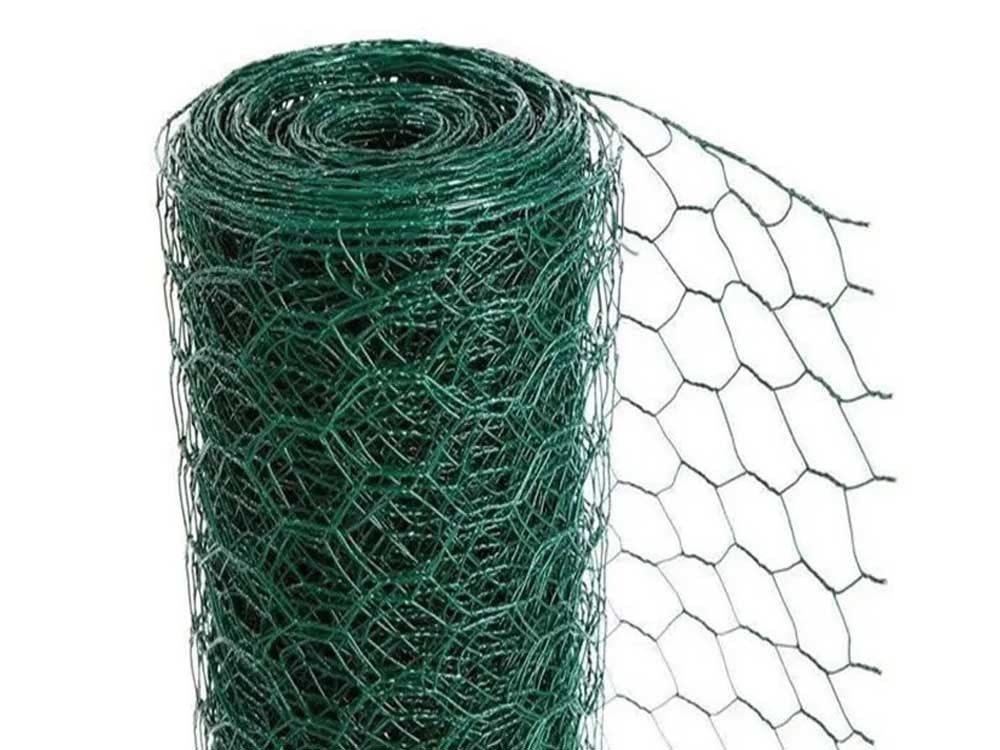
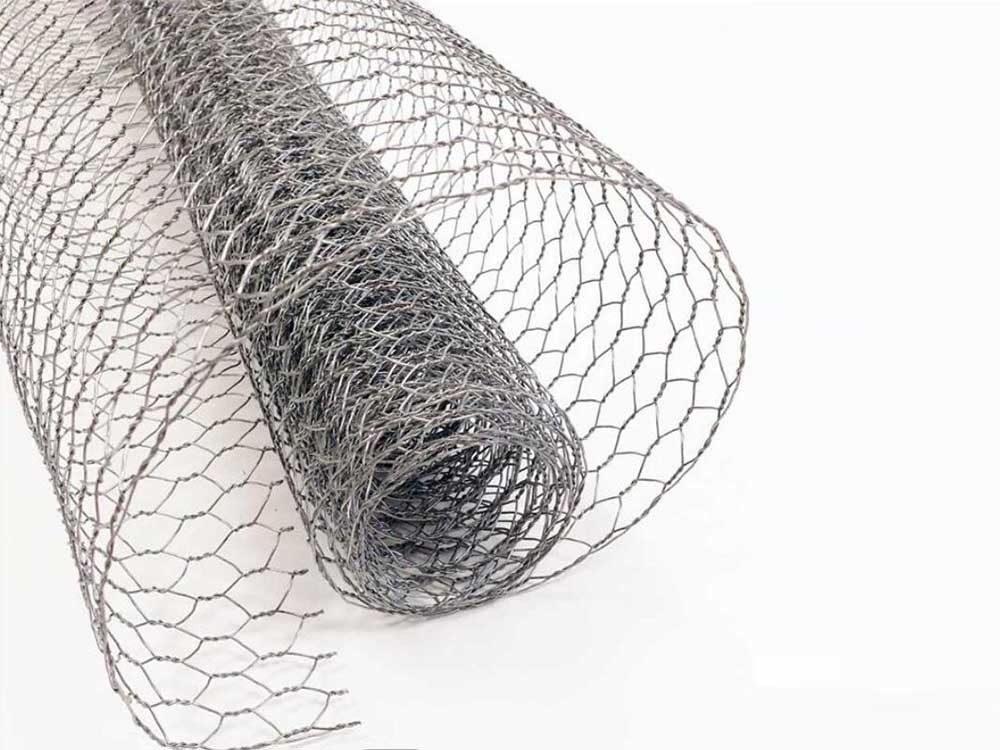
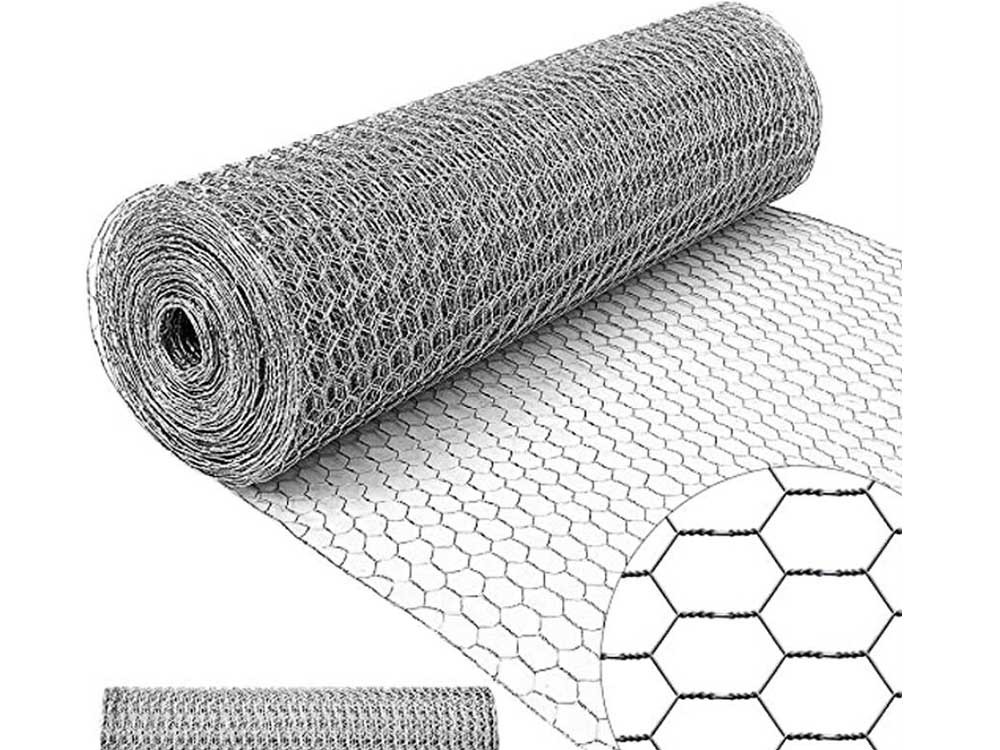
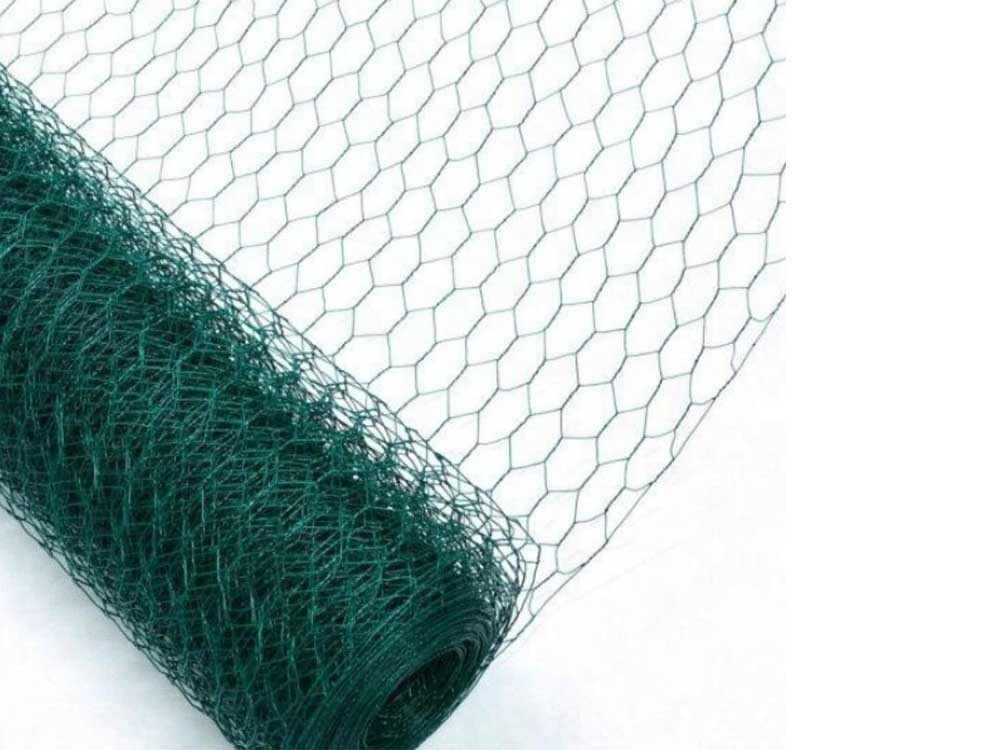
Woven mesh gabion boxes are typically constructed from high-strength galvanized steel or stainless steel wire, woven tightly to create a robust framework. This type of mesh allows for superior drainage and prevents the buildup of hydrostatic pressure, which can lead to structural failures.
Types of Gabion Structures
There are various types of gabion structures, including:
- **Woven Mesh Gabions**: Made with wire mesh that provides flexibility and resilience.
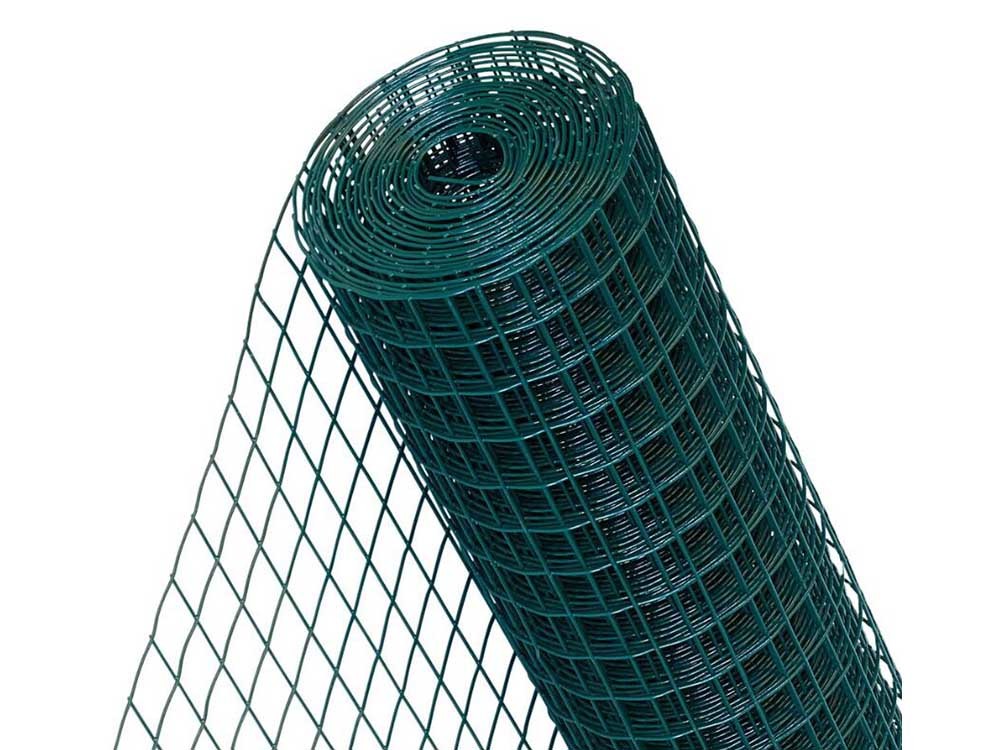
- ** Welded Wire Gabions**: Constructed with welded mesh for added strength but may be less flexible.
- ** Rock Fill Gabions**: Specifically designed to hold large stone aggregates.
Each type serves unique purposes and can be selected based on specific project requirements.
Benefits of Using Woven Mesh Gabion Boxes
Woven mesh gabion boxes offer numerous advantages that contribute to their growing popularity in construction projects.
1. Enhanced Durability
The woven design of gabion boxes provides significant resistance to harsh environmental conditions, including extreme weather, erosion, and seismic activity. Their robust structure can withstand heavy loads and shifting soil, ensuring long-lasting performance.
2. Cost-Effectiveness
Compared to traditional materials, gabion boxes can be more cost-effective due to their ease of installation and lower maintenance requirements. The use of locally sourced materials for filling further reduces costs.
3. Sustainability and Environmental Benefits
Woven mesh gabion boxes promote sustainable building practices by utilizing natural materials and minimizing environmental impact. They also blend seamlessly into the landscape, enhancing aesthetic appeal while providing functional benefits, such as natural habitat for wildlife.
4. Versatility in Applications
Gabion boxes can be used in a range of applications, from retaining walls and sound barriers to decorative landscaping features. This versatility makes them suitable for various projects, regardless of size and complexity.
Applications of Woven Mesh Gabion Boxes in Construction
The versatility of woven mesh gabion boxes allows for a wide range of applications within the construction industry.
1. Erosion Control
Woven mesh gabion boxes are commonly used for erosion control in riverbanks, slopes, and coastal areas. Their design helps to stabilize soils and prevent erosion by redirecting water flow and absorbing wave energy.
2. Retaining Walls
Gabion boxes can be integrated into retaining walls to provide structural support and prevent soil movement. Their flexibility allows for creative designs that can adapt to varying site conditions.
3. Landscaping Features
In addition to their functional uses, woven mesh gabion boxes can serve as attractive landscaping features. They can be filled with colorful stones or plants, creating visually appealing barriers, seating areas, or decorative structures.
4. Sound Barriers
Woven mesh gabion boxes can also function as effective sound barriers along highways and railways. By absorbing and deflecting sound waves, they improve the quality of life for nearby residents.
Design Considerations for Gabion Boxes
When designing woven mesh gabion structures, several factors should be taken into account to ensure functionality and durability.
1. Load-Bearing Capacity
Understanding the anticipated loads on the gabion boxes is crucial for determining the appropriate materials and dimensions. Proper engineering ensures that the structures remain stable under various conditions.
2. Drainage Solutions
Effective drainage systems must be integrated into gabion design to prevent water accumulation and potential structural failure. This can include perforated pipes or gravel layers within the gabions.
3. Aesthetic Integration
Incorporating gabion boxes into the existing landscape requires careful consideration of aesthetics. Designers should choose materials and filling that complement the surrounding environment.
Installation Techniques for Optimal Performance
Proper installation is key to maximizing the durability and effectiveness of woven mesh gabion boxes.
1. Site Preparation
Before installation, the site must be prepared by clearing vegetation, leveling the ground, and ensuring proper drainage. This step is vital for maintaining structural integrity.
2. Assembly of Gabion Boxes
Gabion boxes should be assembled in accordance with manufacturer specifications. This typically involves securing the mesh together and ensuring that all components are tightly fastened.
3. Filling the Gabions
Filling the gabion boxes with the chosen materials requires careful placement to ensure stability and aesthetic appeal. Larger rocks should be placed at the bottom, with smaller materials used for the top layers.
4. Securing the Structure
Once filled, the gabion boxes must be secured in place, often by burying the lower edges or integrating them with adjacent structures. This helps maintain stability over time.
Maintenance Requirements for Longevity
While woven mesh gabion boxes are designed for durability, regular maintenance can extend their lifespan.
1. Inspection and Repairs
Routine inspections should be conducted to identify any signs of damage or wear. Prompt repairs are essential to prevent minor issues from escalating into significant problems.
2. Vegetation Management
If the gabion boxes are integrated into landscaping features, maintaining vegetation can help enhance appearance and prevent erosion. Regular pruning and weed control are necessary.
3. Drainage Maintenance
Ensuring that drainage systems remain clear of debris is crucial for preventing water accumulation that could compromise the structure.
Case Studies: Success Stories with Gabion Boxes
Numerous projects worldwide demonstrate the effectiveness of woven mesh gabion boxes in addressing various construction challenges.
1. Highway Erosion Control
In a notable project, gabion boxes were used along a highway to stabilize eroded slopes. The installation significantly reduced erosion and improved road safety.
2. Urban Landscaping
A city park integrated gabion boxes as seating and decorative features. The project not only enhanced aesthetic appeal but also provided functional spaces for community gatherings.
3. Coastal Protection
In coastal regions, gabion boxes were employed as wave barriers to protect properties from storm surges. Their flexibility allowed for effective adaptation to changing environmental conditions.
Frequently Asked Questions
1. What materials are used to fill gabion boxes?
Gabion boxes can be filled with a variety of materials, including natural stones, concrete, or recycled materials, depending on the desired aesthetic and functional requirements.
2. How long do woven mesh gabion boxes last?
With proper installation and maintenance, woven mesh gabion boxes can last for decades, providing a durable solution for various applications.
3. Can gabion boxes be used for flood control?
Yes, gabion boxes are effective in flood control applications, as they can absorb and redirect water flow, minimizing flood damage.
4. Are there any design limitations for gabion structures?
While gabion structures are versatile, their design should consider load-bearing capacity, drainage, and site-specific conditions to ensure effectiveness.
5. How do I choose the right type of gabion box for my project?
Selecting the appropriate gabion box depends on the project requirements, including structural load, environmental conditions, and aesthetic preferences. Consulting with a professional can provide tailored recommendations.
Conclusion: The Future of Construction with Woven Mesh Gabion Boxes
Woven mesh gabion boxes represent a significant advancement in construction materials, offering unmatched durability, versatility, and sustainability. As construction practices continue to evolve, the integration of these innovative structures will likely expand, addressing modern engineering challenges while enhancing aesthetic appeal. By choosing woven mesh gabion boxes, we are not just building resilient structures; we are paving the way for a sustainable future in construction.
Keywords:
More information


Wechat and Mobile: